White Label Car Photo Editing: A Partner Guide for Agencies and Studios
October 28, 2026 · Dealer Guides
How agencies and studios sell car photo editing under their own name: the three partnership shapes, style profiles, quality control when your brand is on the work, and the pilot method.

Key takeaways
- Your client, your brand; the desk stays invisible
- A written style profile makes consistent invisibility possible
- Sample every batch; drift is what sampling catches
- Prove the partnership with a one-client pilot week
White label car photo editing means a specialist editing desk produces finished dealer photos that carry your name, not theirs: your agency or studio sells the service, manages the client and sets the standard, while the editing itself is done by hand in the background, delivered as unbranded files your client believes came from your own team. It exists because automotive photo work is skilled, repetitive and deadline-driven, which makes it the easiest part of a creative business to run out of hours on. This guide explains how the model actually works in practice, the three shapes a partnership usually takes, and how to test one before real client work depends on it.
If you run a marketing agency with dealer clients, a photography studio shooting inventory, or a production company whose clients keep asking for listing photos alongside everything else, you have probably already felt the shape of the problem. The editing is not the glamorous part of the job. It is hours of clipping paths, background work, color correction and shadow building, repeated car after car, against marketplace deadlines that do not care that your senior retoucher is on holiday or that three dealerships delivered stock on the same Friday. Agencies facing that arithmetic eventually search for a white label photo editing partner, and the honest ones discover quickly that the automotive corner of this market is thinly documented. General white label guides talk about wedding and real estate photos. Almost nobody writes about cars. This guide does.
What white label car photo editing actually means in practice
Strip away the terminology and white label car photo editing is a division of labor with a branding rule attached. The branding rule is simple: the end client, usually a car dealer or dealer group, has a relationship with you and only you. They send photos to you, they approve photos from you, they pay you. The editing desk behind you is invisible. Files arrive back without the desk's logo, watermark or file naming habits, ready to be forwarded, uploaded or presented as your studio's own production.
The division of labor is where the value sits. Your side keeps everything that requires judgment about the client: the relationship, the sales conversation, the creative direction, the standard the photos must meet, and the final quality decision. The desk's side takes everything that requires hours: cutting each car out cleanly, rebuilding backgrounds, correcting color and light, building believable shadows, resizing to marketplace specifications, and doing it again tomorrow at the same standard. A good white label photo editing arrangement is not outsourcing your reputation. It is renting production capacity while keeping every client-facing decision in your own hands.
Cars make this model both more necessary and less forgiving than in other photography niches. A wedding photographer outsourcing album retouching deals in taste. A dealer listing deals in facts: the car in the photo must be the car on the lot, in its true color, with its real specification and its honest condition, presented inside a scene that flatters the setting without flattering the vehicle. The editing is technical, repetitive and rule-bound, which is precisely the profile of work that a specialist desk, doing nothing else all day, performs more consistently than a generalist team fitting it between shoots, designs and client meetings.
The three shapes a partnership usually takes
Most agency and studio arrangements settle into one of three shapes, and it helps to know which one you are buying before you start, because each has a different risk profile.
The first shape is overflow capacity. Your studio keeps its own editors and its own standard, and uses the desk the way a workshop uses a relief driver: during stock-intake peaks, holiday cover, illness, or the week a dealer group lists forty cars at once. Overflow partnerships are the easiest to start and the easiest to leave, and they suit studios whose core volume is manageable but whose peaks are not. The discipline they require is honesty about timing: a desk can absorb your peak only if it hears about the peak before the deadline does.
The second shape is the full production desk. The partner stops editing in-house altogether and routes all dealer photo production through the desk: every car dealer photo editing job, every background, every resize, under the partner's brand, to the partner's standard. This is the shape marketing agencies usually choose, because agencies rarely want an editing department at all; they want a service they can sell. It demands the most setup, a proper style profile and a tested workflow, and in return it converts a staffing problem into a per-image cost that scales exactly with the work sold.
The third shape is the specialist bench. Some work is uneconomic to keep in-house even for studios with strong editors, because it is slow, exact and infrequent per client: hand-drawn clipping paths around roof rails and wheel spokes, transparent backgrounds for catalogue and parts use, reflection shadows that have to be built rather than filtered, and the careful car retouching service that a prestige listing deserves. Studios keep the volume work and send the desk the jobs where one photo can take an hour. This shape is also how many partnerships begin, because specialist work is the easiest to judge: either the path is clean at full zoom or it is not.
Real partnerships often blend the shapes over time, starting with the specialist bench, adding overflow, and ending as a full desk once trust is earned. That progression is healthy. What is not healthy is drifting into the full-desk shape by accident, without the style profile and quality checks the arrangement needs, simply because the overflow work kept growing.
How the work actually runs, day to day
A working partnership has a rhythm, and it is worth describing plainly because the rhythm is what you are really buying. Intake comes first. Photos arrive from the dealer to you, or, where you prefer it, directly into a shared folder structure you control, organized by client and by car. The desk works to your naming and folder conventions, not its own, because the files have to re-enter your workflow without translation. Where files arrive as links rather than uploads, the count and contents are confirmed before editing starts, so a missing interior set is discovered at intake and not at delivery.
Turnaround is the second element, and it should be boring. Our published standard, like that of most serious desks, is return within 24 hours for typical batches, which fits the dealer cycle: stock photographed one day, listed the next. What makes it work in practice is not heroics but batch discipline, agreed cut-off times, and a shared understanding of what counts as a batch. Agencies selling against dealer deadlines should test the standard at their real volumes before promising it onward, a point the pilot section below returns to.
Revisions are the third element, and they run on etiquette as much as process. A revision is a correction against the agreed standard: the color is too warm, the shadow sits wrong, the wrong scene was applied. It is not a new creative direction discovered after delivery. Partners who write their feedback in the shared language of the style profile, too warm, shadow too hard, scene too bright, get one-pass corrections. Partners who revise by forwarding raw dealer complaints verbatim get confusion, because a dealer's "make it pop" is not an instruction an editor can execute. Your role in the middle, translating client taste into editing language, is part of what your client is paying you for.
Delivery closes the loop. Finished files come back as files or as a download link, in the formats and sizes the destinations require, unbranded and ready to forward. Nothing in the delivered work names the desk. Your client sees your turnaround, your standard and your name, which is the entire point of outsource car photo editing done under a white label arrangement rather than as a disclosed subcontract.
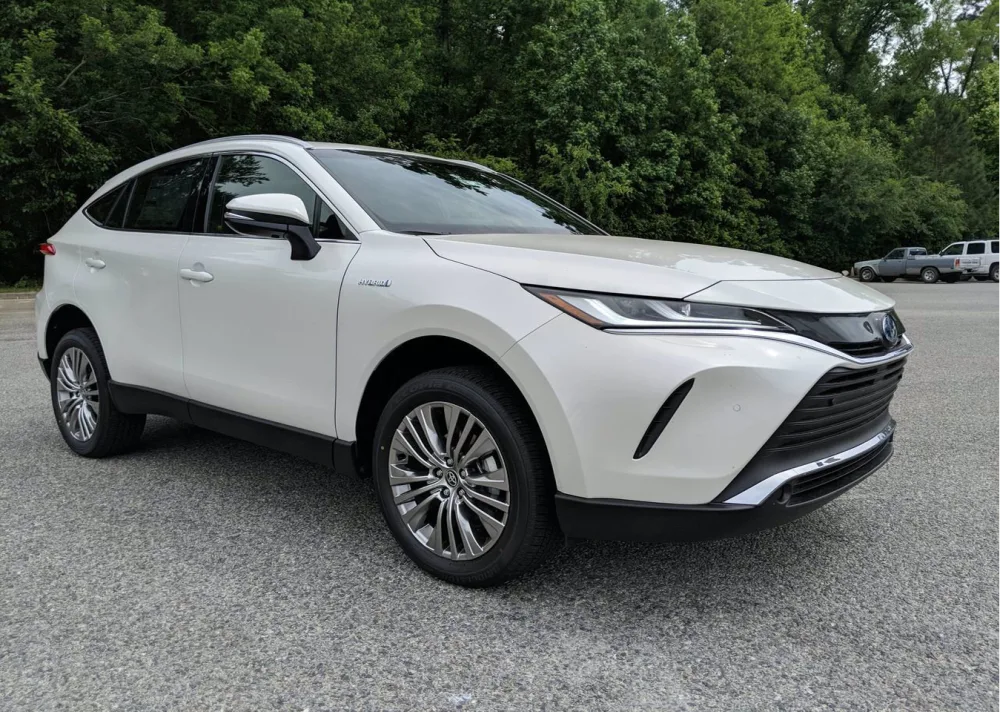
Backgrounds delivered under your own brand: hover or drag to compare

 BEFORE
AFTER
Drag the slider or move your mouse over the image to compare.
The style profile: the document that makes invisibility possible
Every durable partnership runs on one unglamorous document: the style profile, one per end client or client family. It records the background scene or scene family, brand colors, how logos and overlays are handled, the plate treatment for that market, the color and contrast character the client likes, the gallery order and file naming, and the output sizes for each destination platform. Car dealer branding templates and frame treatments belong in the profile too, agreed once rather than reinvented per car.
The profile matters because consistency is the product. A dealer group does not buy edited photos; it buys the same look, on every car, from every location, indefinitely. An in-house editor absorbs that look by osmosis over months. A desk can only reproduce it from a written profile plus a reference set of approved examples. Build the profile from real work: ten approved photos that already look right, annotated with what makes them right. When the profile and the reference set agree, almost any competent editor at the desk can produce on-standard work. When they do not exist, you are not running a partnership; you are running a lottery with deadlines.
Profiles also protect you commercially. They are your asset, written in your language, built from your client relationships. A partner who holds the profiles can move production if a desk fails. A partner whose standard lives only inside one desk's habits cannot. Insist that the standard is documented on your side from the first month.
Quality control when your name is on work you did not touch
The uncomfortable truth of white label car photo editing is that your client will never praise the desk, and will never blame it either. Every failure arrives wearing your logo. That is why the quality model in a partnership has to be explicit rather than assumed, and why a serious photo editing partner will welcome checks instead of resenting them.
In practice, control works in layers. The desk checks every finished photo against its original before delivery: true color, clean edges at zoom, shadow present and agreeing with the scene light, nothing about the car itself altered. Your side then samples: not every photo, because that rebuilds the workload you outsourced, but a deliberate sample of every batch, weighted toward the hard cases, the black cars, the white cars, the dusk shots, the first car from any new client. Sampling works when it is random enough to be honest and regular enough to catch drift early. Standards rarely collapse; they drift, a degree of warmth at a time, and drift is exactly what sampling exists to catch.
The feedback loop completes the system. Corrections go back in profile language, the profile itself gets amended when a client's taste genuinely changes, and recurring faults get named as patterns rather than renegotiated photo by photo. Agencies that run this loop find their correction rate falls month by month, because the desk is effectively being trained into their house standard. Agencies that skip it become full-time inspectors of their own outsourcing, which is the worst of both worlds.
The honesty boundary, doubled
Every article on this site repeats one rule for dealer photos: edit the scene freely, edit the car almost not at all. Under a white label arrangement, that rule carries double weight, because two reputations now stand behind every image. Marketplace rules on Cars.com, CarGurus, AutoTrader, mobile.de and AutoScout24 all rest on the same principle: the photo must represent the actual vehicle, its true color, trim and condition. Distance-selling and advertising law in the UK, parts of the US and the EU gives the principle legal teeth.
As the agency in the middle, you are the party the dealer trusts and the party the platform account belongs to. So the partnership needs an agreed line, written into the style profile: what may be cleaned (dirt, weather, distractions, the scene itself), what may never be changed (paint color, specification, damage, wear), and what happens when an editor spots something the photos reveal that the description does not say. That escalation, editor flags it, you decide, is a service, not a failure. A desk that silently beautifies a damaged panel has not done you a favor; it has handed you a misrepresentation claim with your branding on it. Choose a partner whose default is to show the car honestly and ask, over one who promises that every car will look perfect.
What it costs: the pricing structures partners actually use
White label car photo editing is normally bought the way the underlying work is sold: per finished image, at published rates, with volume tiers. Our own published prices are the ones on this site: full dealer editing at $0.59 per image, car background replacement at $0.69, retouching at $0.50, and services starting from $0.19 for resizing, with discounts of 5 percent at 100 images and 10 percent at 500. Branding and campaign work, such as templates and car banner design, is quoted per project rather than per image. There is no subscription in this model, and no software for your team to learn.
We deliberately publish those numbers because the partner's economics depend on them being stable and knowable in advance. What you charge your dealer client is your own commercial decision: agencies variously wrap editing into per-car preparation fees, monthly inventory packages, or a marked-up per-image rate inside a wider marketing retainer. The structure that matters is that your cost is countable before you quote, scales exactly with the volume you sell, and falls to zero in a month when a client lists nothing. Compare that honestly with the in-house alternative: an editor's salary, software, management time and holiday cover are fixed costs that continue at full price through every quiet month, and the comparison is the whole argument for the model.
One caution on price shopping. The cheapest per-image rate in this market is cheap for a reason that will surface in your clients' galleries: rushed paths, invented shadows, color that flatters instead of matching. Your name, not the desk's, absorbs that difference. Judge partners on approved work at your real volumes, not on the rate card alone.
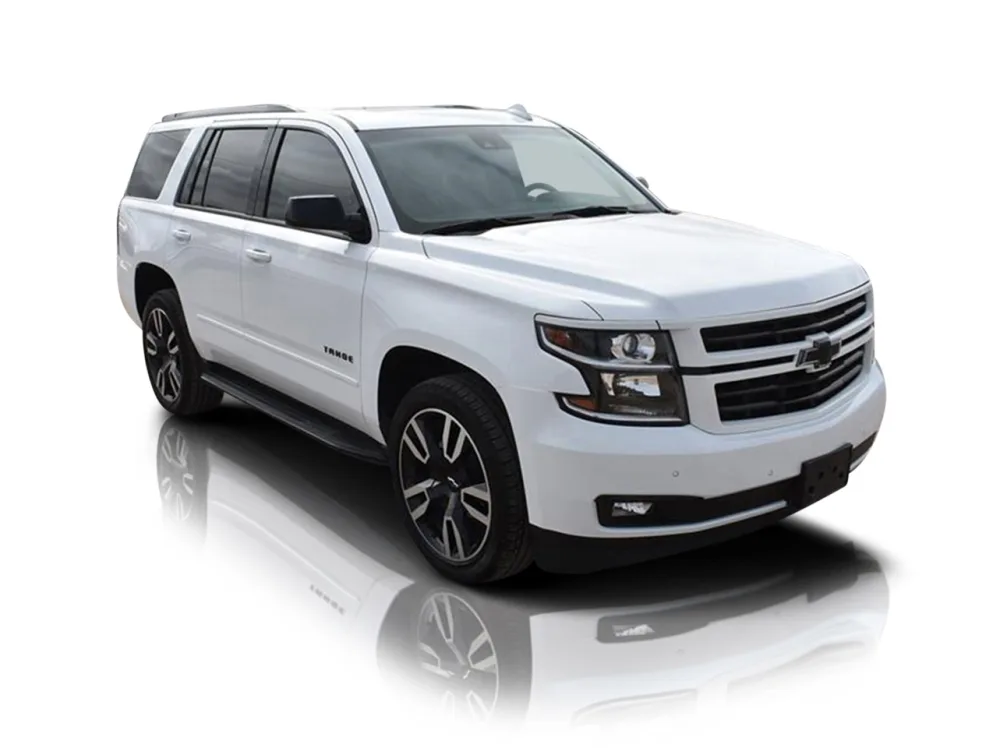
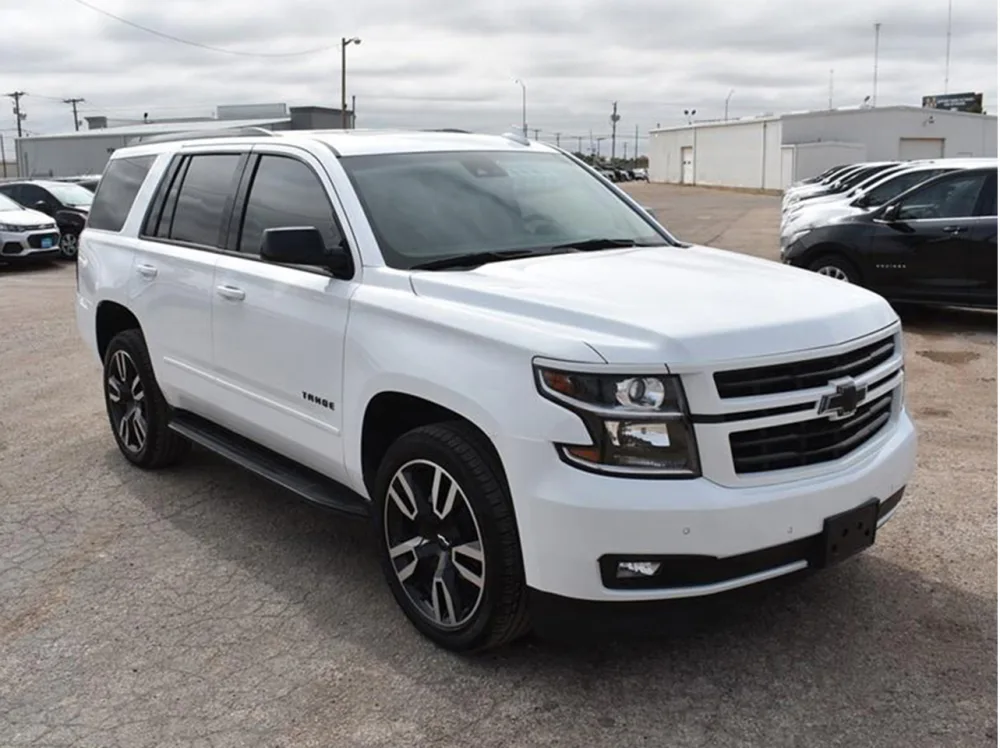
Reflection shadows built, not filtered: hover or drag to compare
 BEFORE
AFTER
Drag the slider or move your mouse over the image to compare.
The risks to check before you choose a partner
Four risks account for nearly every failed arrangement we hear about. The first is substitution: a desk that markets hand editing but quietly routes work through automated tools, producing the edge failures and invented shadows automation is known for. Ask directly how the work is done, and judge the trial output at full zoom, where substitution cannot hide. Our position is stated plainly: we are a hand-editing service, no AI tool edits your photos here, and that has been the model since 2016.
The second risk is capacity theatre: a desk that performs beautifully at trial volume and collapses at your real peak. The only honest test is a pilot at representative volume, described below, run during a genuinely busy week rather than a quiet one. The third is file handling: dealer photos are your clients' commercial assets, moving through shared folders and download links. Agree who can access what, how long working files are kept, and how a client's set is separated from every other client's, before the first real batch moves. The fourth is single-person dependency, on either side. If the arrangement lives in one inbox or one editor's memory, it is fragile; profiles, folders and written standards are what make it a business process instead of a personal favor.
Ask also what happens when something goes wrong at deadline: a missed batch, a wrong scene across a whole set, a client emergency on a Friday evening. You are not looking for promises of perfection. You are looking for whether the desk has thought about failure before you meet it together, because in production work, you eventually will.
The pilot method: prove it on real client work
Do not start a partnership on a contract, a retainer or a leap of faith. Start it on evidence. Take the free trial photo editing offer seriously as an instrument: our trial covers 5 to 10 images, edited by hand and returned for approval before any payment, and the correct way to use it is to send the hardest current work you have, a black car at dusk, a white car at noon, the roof-box family SUV, the prestige listing your best dealer cares about. Easy photos flatter every provider. Hard photos reveal the desk.
Then run a pilot: one real client, one real week, at real volume and real deadlines, with the style profile drafted from the trial feedback. Judge the pilot on four measures only: quality against the profile, turnaround against the promise, correction rate, and how the communication felt at the moments something needed deciding. If those four hold for one client in a busy week, scale by client, not by enthusiasm: add the second dealer, write the second profile, and let the arrangement earn its expansion. Agencies that follow this method rarely have partnership disasters, because every failure mode is forced to appear while the stakes are one client and one week.
How Cars Photo Editor works with partners
We have edited car photos by hand since 2016, for dealers and automotive photographers across the USA, the UK and Europe, and partner work for agencies and studios runs on the same published terms as everything else we do: per-image prices on the site, standard turnaround within 24 hours for typical batches, delivery as files or a download link, and a free trial of 5 to 10 images so the work can be judged before money moves. There is no partner program to join and no tier to unlock; the partnership is the working relationship itself, built client by client on your style profiles, with our desk invisible behind your name.
If you are weighing this model for your agency or studio, begin the way this guide recommends everyone begin: with your own clients' hardest photos, sent as a trial, judged at full size against the real cars. If the edges are clean, the color is true, the shadows sit where light says they should, and the files come back ready to forward as your own, you have found the thing the search was actually for. If they are not, you have spent nothing and learned something worth knowing. Either way, the decision will be based on evidence, which is the only basis on which a white label partnership should ever be built.
Run a white label pilot on real client work, free
Send us 5 to 10 of your own listing photos (files or a Drive or Dropbox link) and we will edit them free, by hand, so you can judge the quality on your own inventory before you spend anything.
Start Your Free TrialWhite label editing partnerships: common questions
What is white label car photo editing?
It is dealer photo editing produced by a specialist desk but delivered unbranded, so an agency or studio can sell and present the work as its own. The client relationship, the standard and the final approval stay with the agency; the desk supplies the production hours invisibly.
How much does white label photo editing cost?
It is normally priced per finished image at published rates, with volume discounts as totals grow. At Cars Photo Editor the full dealer edit is $0.59 per image, background replacement is $0.69 and retouching is $0.50, with 5 percent off at 100 images and 10 percent at 500, and a free trial of 5 to 10 images before any payment.
Will my clients know I outsource the editing?
No. That is the defining feature of the arrangement: files are delivered without the editing desk's branding, naming or marks, ready to be forwarded under your agency or studio name. Your clients deal with you, approve work from you and pay you.
How do I test a photo editing partner before committing?
Start with the free trial on your hardest real photos, then run a one-client, one-week pilot at genuine volume and deadlines, judged on quality against a written style profile, turnaround, correction rate and communication. Scale to more clients only after the pilot holds.