Photo Editing Outsourcing for Photographers: Shoot More, Edit Less
October 28, 2026 · Dealer Guides
For photographers shooting dealer stock: which edits to hand to a desk, how a reference set becomes your style profile, overnight turnaround choreography, and pricing the edit into your day rate.
Key takeaways
- Keep the cull and creative signature; delegate production editing
- A reference set becomes a written style profile
- Upload tonight, approve tomorrow, dealer publishes same day
- Price finished galleries, not hours spent editing
Photo editing outsourcing for photographers who shoot dealer inventory means one thing in practice: you keep the shooting, the client relationship and the creative decisions, and a professional editing desk takes over the repetitive production work — the color correction, the cleanup, the background and path work — and returns finished galleries in about 24 hours, edited to the look you showed them. You cull, you set the reference, you approve the result. Everything between your memory card and a gallery a dealer can publish stops being your evening. That is the whole idea, and the rest of this guide is the working detail: what the maths really looks like, what to hand over, how to brief a desk so the files come back in your style, and how to check the work like the professional whose name is on it.
This guide is written photographer to photographer. If you shoot cars for dealerships — as a freelancer covering several lots, a studio shooter on a dealer group's roster, or the local pro every used car manager within fifty miles has on speed dial — then editing is probably your second unpaid job. The shooting is the work dealers see. The editing is the work that decides whether you can shoot again tomorrow.
The midnight maths: what editing your own work actually costs
Photo editing outsourcing for photographers usually begins as an arithmetic problem long before it becomes a creative one. So do the arithmetic the way it actually happens, on a normal week.
You shoot a mid-sized dealer's fresh arrivals: say thirty cars across two or three visits, plus a handful of re-shoots and detail sets. Every car needs its full gallery worked: exposure and white balance pulled into line, lot backgrounds cleaned or replaced, plates treated the way that dealer wants them, wheels and glass tidied, the set made consistent so forty photos of one car look like one shoot instead of four different days. However fast you are — and production editing of dealer work is a speed skill, not an art project — that volume is hours of desk time, and it lands in the worst hours: the evening after the shoot, the night before the dealer's stock meeting, the Sunday you meant to keep.
Now price those hours honestly. Not against what an editor charges, but against what the same hours earn behind a camera. A photographer's scarcest asset is shootable daylight on a lot with cars ready. Every evening spent pushing sliders is a morning you cannot offer a dealer who just took in fifteen fresh cars and needs them online before the weekend. Dealers do not run out of cars; photographers run out of week. The maths that matters is not the per-image price of an edit. It is the value of the next shoot you could not take because the last shoot was still on your screen at midnight.
There is a second cost that never shows in the arithmetic: consistency under fatigue. The first gallery of the night gets your full attention. The ninth gets your remaining attention, and dealers notice drift in a set the way buyers notice drift in a listing — quietly, and in their opinion of you. Outsourcing is, among other things, a way of making the fortieth car of the week look like the first.
What to hand over, and what to keep in your own hands
The photographers who make outsourcing work treat the split as a professional decision, not a surrender. Here is the division that holds up in practice.
Keep the cull. Only you know which frame of the three-quarter set has the reflection that flatters the panel, which interior shot the dealer will actually lead with, and which near-duplicate hides a scuff the buyer has a right to see. Culling is judgment at speed, it takes a fraction of the time of full editing, and it is where your eye earns its fee. Send the desk your selects, marked and final — never the whole card with instructions to choose. A desk that chooses for you is making creative decisions under your name.
Keep the creative signature. If you have a look — a slightly lifted shadow, a particular way you treat red paint, the background treatment your dealers recognize as yours — that look is yours to define, demonstrate and approve. It is not yours to apply forty cars at a time.
Hand over the production editing. This is the repeatable, specifiable work: white balance and exposure normalization across a set, which is what a car color correction and car lighting correction pass is built for; dust, reflection and minor distraction cleanup in a car retouching service pass; precise cutouts through a car clipping path service; background replacement to the dealer's standard scene; plate treatment, resizing and export to each marketplace's specification. None of it needs your taste in the moment. All of it needs to be done exactly the same way every time, which is precisely what a production desk is for.
A useful test for any task: if you can write down what "correct" looks like for it in two sentences, it can be outsourced. If correct depends on seeing the car and the client in your head, it stays with you.
Preparing files so the desk can match your look
Photo editing outsourcing for photographers succeeds or fails on the brief, and the brief is mostly made of files, not words. Desks cannot read your mind, but a good desk can read a reference set with complete accuracy.
Start with a reference set: ten to fifteen finished images from your own past work, covering the range of your real life — a black car, a white car, a red car, an interior, a dusk shot, a car photographed under the yellow floodlights of a lot that never switches them off. These are the images you would happily show a new client. Send them with one short note per problem you know they contain: this is how warm I let interiors go, this is how much I lift shadows on dark colors, plates are blurred for this dealer and left clean for that one. Editors work to references the way printers work to proofs. Give them proofs.
Then ask for a style profile. At our desk, a photographer's references become a written style profile attached to their account: the color treatment, the background standard, the plate rule, the export sizes, the naming convention. Every future batch is edited against that profile, by hand, and checked against it before delivery. That is what outsourced photo editing for photographers means when it is done as a service rather than a gamble: your look, documented once, applied at volume.
Expect a short calibration loop, and plan for it rather than being surprised by it. The first batch teaches the desk your taste in the places words cannot reach: how tight you crop, how much saturation you tolerate in a red, whether your interiors run bright or moody. Review that batch closely and say everything, while it is cheap to say. The second batch should need half the notes. By the third, the profile is doing the work and your check becomes a sample rather than an inspection. Photographers who skip the close early reviews and then complain the look is off have it backwards: the profile is only ever as good as the feedback that built it. Treat the first three batches as training a new assistant, because that is exactly what you are doing — except this assistant never writes a note down wrong, and never has an off day once trained.
Be honest with yourself and the desk about RAW and JPEG. RAW files give an editor the most room — real white balance recovery, real highlight rescue — and for hero shots and difficult light they are worth the upload weight. For standard lot work shot carefully, high-quality JPEGs edit perfectly well and move much faster, which matters when the promise is next morning. What does not work is pretending: do not send underexposed JPEGs and expect RAW miracles, and tell the desk which files are which priority. A professional photo editing service for automotive photographers will tell you plainly what a given file can and cannot survive. Believe them; it is the same advice you give dealers about their trade-ins.
Finally, fix the mechanical details once, in writing: file naming, folder structure, which marketplace sizes you need, whether the dealer or you receives the finished set, and what time of day your uploads land. Production runs on these small agreements. Most outsourcing horror stories are not editing failures. They are Tuesday-night confusions about which version of a folder was final.
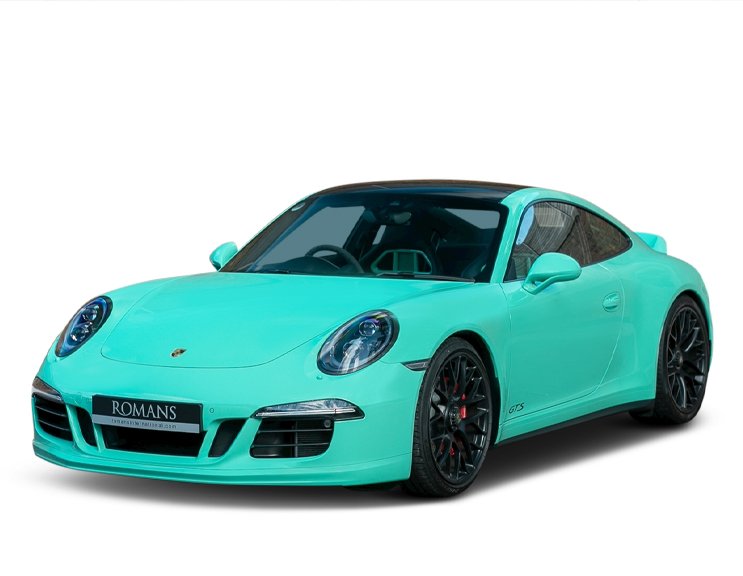
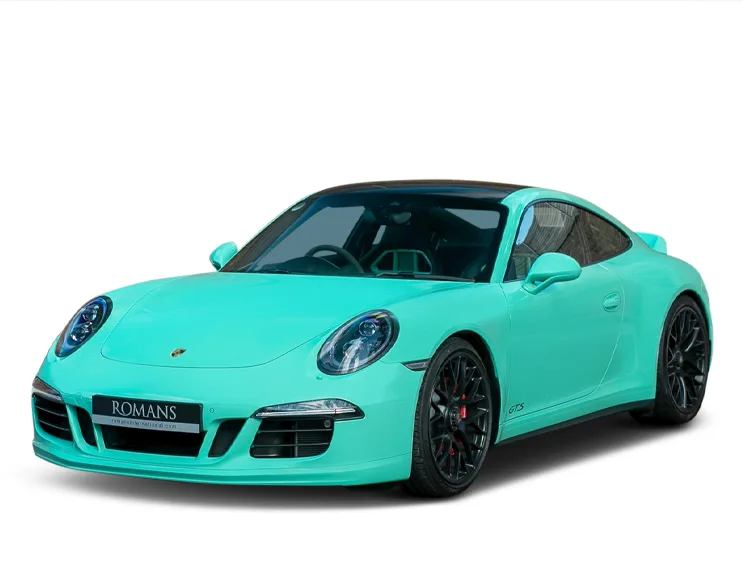
Production retouching in your own style: hover or drag to compare
 BEFORE
AFTER
Drag the slider or move your mouse over the image to compare.
Turnaround choreography: promising dealers a next-day gallery
The commercial reason photographers outsource is not comfort. It is the promise you can make at the lot gate. A dealer deciding between you and the photographer who delivers in three days is not comparing portfolios. They are comparing how fast fresh stock reaches the internet, because a car that is not online is not for sale.
With a desk behind you, the choreography becomes simple enough to say out loud to a dealer: shoot today, cull tonight in minutes rather than edit for hours, upload before you sleep, approve the returned set tomorrow, dealer publishes the same day. The desk's standard turnaround does the heavy lifting overnight — which is why photographers search for overnight car photo editing rather than just editing help: the value is not the edit, it is waking up to a finished gallery. That is the offer that wins retainer conversations, because it makes you look like a department, not a person with a laptop.
Protect the promise with two habits. First, agree a realistic cut-off: batches uploaded by your agreed evening hour are next-day work; a panicked midnight upload before a Saturday sale is a rush conversation, not a standard one. Second, keep one buffer slot in your own week. Desks are reliable, dealers are not — the re-shoot, the car that arrived after your visit, the manager who wants one extra angle. Your value to the dealer is that these surprises land on a photographer who is rested and available, not one still editing last week's stock.
There is a quieter benefit that shows up about a month in: your week gets its shape back. Shooting days become shooting days again. Evenings become the short cull, the upload, and then your own time — which is not a lifestyle luxury but a business input, because the photographer dealers recommend to each other is the one who answers the phone fresh on a Monday, not the one still rendering Friday's galleries. Reliability compounds, too. The desk does not get tired, does not take the flu week you cannot afford, and does not care whether the batch is four cars or forty. Your capacity stops being the ceiling on your client list, and for a freelancer that ceiling was always the real limit on income.
Quality-checking returned work like your name is on it, because it is
Photo editing outsourcing for photographers only protects your reputation if the last pair of eyes is yours. Build the check into the routine and it costs you minutes per batch instead of the hours editing used to take.
Check at full size, not in thumbnails. The faults that matter — a halo along a roofline, a shadow pointing against the scene's light, glass that has been filled instead of handled honestly, a color that has drifted from the car's true color — are all invisible at contact-sheet size and obvious at 100 percent. Sample the batch the way dealers publish it: the hero shot of every car, then a spread of interiors and details, then any car you flagged as difficult when you sent it.
Check the set as a set. Open five cars side by side and ask whether they look like one photographer on one day. Consistency is the product you are selling the dealer; the desk holds it to your style profile, and your check is the audit that keeps the profile honest.
Feed back in actionable language, once, in writing. "Too warm" with a frame number is an instruction. A phone call saying the set feels off is weather. The photographers who get the best work from desks treat editors the way good dealers treat photographers: specific notes, agreed standards, no surprises about what was wanted after it was delivered. And when a desk gets something wrong the same way twice, fix the style profile, not just the batch — the profile is the contract your future work is edited against.
Pricing the edit into your day rate
You do not need anyone's invented figures to price this. You need your own two numbers: what an hour of your evening is worth, and what the desk charges per finished image for the work you hand over. At Cars Photo Editor the production passes photographers delegate most are priced openly: retouching at $0.50 per image, color correction at $0.39, lighting and exposure correction at $0.39, clipping path work at $0.49, with volume discounts of 5 percent at 100 images and 10 percent at 500 — and when a batch needs the full car dealer photo editing treatment end to end, that is $0.59 an image. Set those per-image costs against the hours your own editing of the same set would take, and the decision usually stops being close.
How you pass the cost on is a business choice, and photographers do it three ways. Some fold editing into the per-car or day rate as a production cost, the way film and travel once were — the dealer sees one professional price and never thinks about your pipeline. Some price shooting and finished-gallery delivery as the product, because delivery is what the dealer is actually buying. A few itemize editing openly for large dealer groups whose own accounts departments prefer it. All three work. What does not work is absorbing the cost silently while also absorbing the hours: that is the midnight model with extra steps.
One discipline matters more than the model: quote the dealer for the finished gallery, delivered when promised, and let your margin live in the gap between that price and your true production cost — shooting time plus a known per-image editing cost. Outsourcing turns editing from an unpredictable tax on your week into a line item you can do arithmetic on. For a working photographer, that predictability is worth nearly as much as the hours.
The trust questions, asked plainly
Photographers hesitate at three questions, and they deserve straight answers rather than reassurance.
Whose client is it? Yours. A desk working white label never contacts your dealers, never markets to them, and delivers work that carries your name and your look — white label photo editing for photographers is a standard arrangement in this trade, not a special favor. If a provider will not state that plainly, walk away; there are desks that will.
What happens to the files? Your uploads and the finished sets are working material for your jobs, handled as production files: sent by link or upload, edited, returned, and not used as anyone's portfolio or marketing material. Ask any desk, including ours, exactly how files move and who touches them before your first real batch — a professional operation answers without blinking, because photographers ask it every week.
Whose name is on the work? Yours, in every sense that matters to the client: you shot it, you culled it, you defined the look, you checked it, you delivered it. Editors have stood behind photographers' names for as long as there have been darkrooms with assistants in them. The dealer's relationship is with the photographer who shows up on the lot, and nothing about a production desk changes that — it simply makes sure the photographer who shows up is the one who shot the cars, not the one who was up until two finishing them.
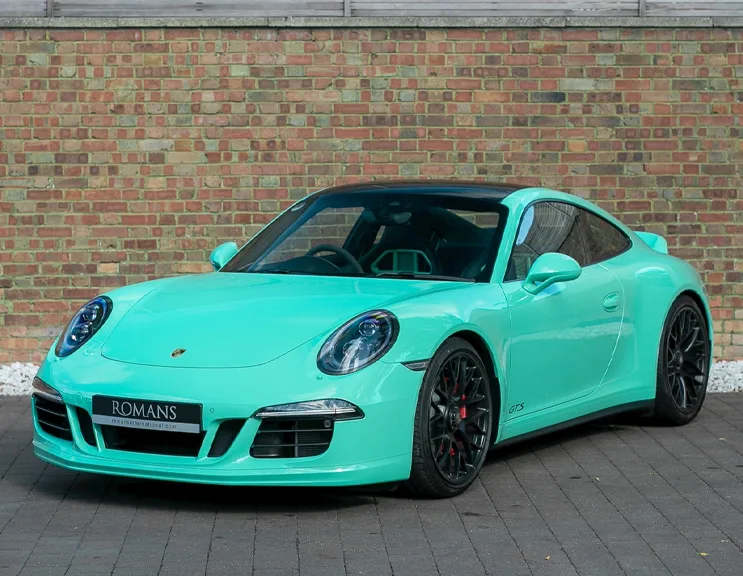
Colour matched to your reference set: hover or drag to compare

 BEFORE
AFTER
Drag the slider or move your mouse over the image to compare.
How Cars Photo Editor works with photographers
We are a hand-editing service — no AI tool edits your photos here — and we have worked since 2016 with dealers and automotive photographers across the USA, the UK and Europe. For photographers the arrangement is built around the style profile described above: send us your reference set once, we document your look, and every batch after that is edited by hand against it and checked against your originals before it comes back. Standard turnaround for typical batches is within 24 hours, so the shoot today, publish tomorrow promise holds without heroics. If backgrounds are part of your dealer standard, the same profile carries the scene, the shadow and the plate treatment, car after car.
The sensible way to start is the way you would advise a dealer to start with you: with real work, judged properly. Our free trial covers 5 to 10 of your own images, edited and returned before you pay anything. Send the difficult ones — the black car at dusk, the interior under mixed light, the set where the lot fought you — and check them at full size against your references. If the desk can match your look on your hardest files, the easy ones will take care of themselves. And if it cannot, you have lost an upload, not a client.
Shoot more. Edit less. Keep the parts of the job that only you can do, and let a desk carry the rest.
Shoot the next lot while we finish this one, free
Send us 5 to 10 of your own listing photos (files or a Drive or Dropbox link) and we will edit them free, by hand, so you can judge the quality on your own inventory before you spend anything.
Start Your Free TrialOutsourcing editing as a photographer: common questions
What does photo editing outsourcing for photographers actually include?
The production work between your cull and a publishable gallery: color and lighting correction, retouching cleanup, clipping paths, background replacement to your dealer's standard, plate treatment, and export at marketplace sizes — all edited by hand to your style profile, with culling and creative decisions kept in your hands.
Can I get my shoot back the next morning?
Yes, that is the standard arrangement: upload your culled set in the evening and the finished gallery returns within about 24 hours, which is why photographers look for overnight car photo editing when they promise dealers next-day listings. Agree your upload cut-off with the desk and the rhythm holds week after week.
Will the edited photos still look like my work?
They should, and the mechanism is a style profile: you supply a reference set of your finished images once, the desk documents your color, shadow, background and plate treatment, and every batch is edited and checked against it. You approve the first batches closely; after that, checking a sample at full size is enough.
Is it better to hire a car photo editor or use an editing service?
For most working photographers the service is the practical answer to hire a car photo editor: no recruitment, no management, no cost when you have a quiet week, and per-image pricing you can build straight into your rate — $0.50 for retouching, $0.39 for color correction, with 5 percent off at 100 images and 10 percent at 500. Start with the free trial of 5 to 10 images and judge the work at full size.