
Vehicle Detail Page Optimization: Your VDP Is Your Showroom — The 2026 Media Checklist
October 28, 2026 · Dealer Guides
Your vehicle detail page is the showroom, and media does the selling. This 2026 checklist covers the hero, gallery order, spin and video, documents, page speed and trust elements in the order buyers consume them.
Key takeaways
- Order media the way buyers consume it
- The first phone screen makes the decision
- Page speed is part of photo quality
- Keep VDP and marketplace sets identical
Vehicle detail page optimization in 2026 is, above all, media work: a sharp hero photo, a complete gallery in a deliberate order, a spin or walkaround video, an honest interior circuit, and readable documents, delivered on a page that loads fast on a phone. Get those elements right and the VDP does the job the physical showroom used to do — it holds the buyer, answers their questions in the order they ask them, and earns the enquiry. This guide takes the media stack apart piece by piece and ends with the full checklist you can run against every car you list.
The showroom moved, and the photo budget did not
A dealership showroom is a considered piece of sales equipment. The lighting is chosen, the floor is polished, the cars are angled, the coffee is not an accident. Money is spent there because everyone in the trade understands that environment sells cars. Yet the room where nearly every buyer now does their serious looking is not that room. It is a web page, viewed mostly on a phone, often at midnight, by someone comparing your car against four near-identical alternatives in four other tabs.
That page — the vehicle detail page — receives a fraction of the care. Photos arrive from whoever was free, in whatever order the phone saved them, at whatever size the camera produced, and they sit there doing the selling for weeks. This article is for the people who carry the result of that mismatch: dealer principals, used car managers, group marketing managers, and the inventory staff who watch good cars sit while plainer cars with better pages move. The argument is simple: treat the VDP as the showroom it now is, hold its media to showroom standards, and use a car photo editing service for dealers or an equally disciplined in-house desk to keep every page at that standard.
The media stack, in the order a buyer consumes it
Vehicle detail page optimization begins with order, because buyers consume a VDP in a sequence whether you plan it or not. First they judge the hero photo and decide whether this car deserves another ten seconds. Then they walk the gallery the way they would walk around a car on a forecourt, front to back, outside to inside. Then, if the car is still in contention, they look for movement — a spin or a video — because motion resolves the questions stills leave open. Then they sit inside it, through the interior circuit. Finally they check the proof: history, inspection, warranty, documents. Every layer answers a different question, and a missing layer does not read as neutral. It reads as a gap the buyer fills with suspicion.
The practical consequence is that media quality is not only about how good each photo is. It is about whether the stack is complete and sequenced. A beautiful hero photo followed by nine muddled angles performs worse than a good hero followed by a complete, ordered set. Build the stack in the buyer's order and the page starts to feel like a guided walk around the car with a salesman who knows when to talk and when to be quiet.
The hero photo: the front window of the page
Every showroom has a front window, and on a VDP the hero photo is it. It is the image that appears in search results, in the marketplace grid, at the top of your own page, and in the preview when a buyer shares the listing with a partner. It carries more weight than the next ten photos combined, because most buyers never see the next ten unless the first one earns it.
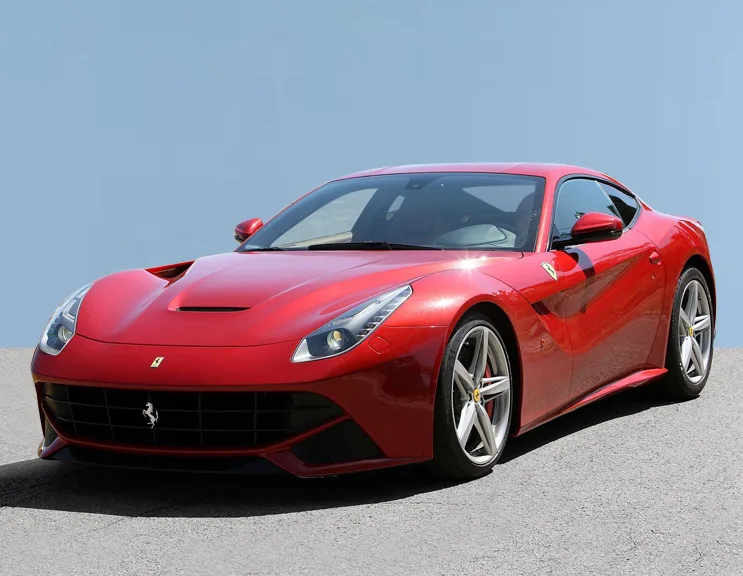
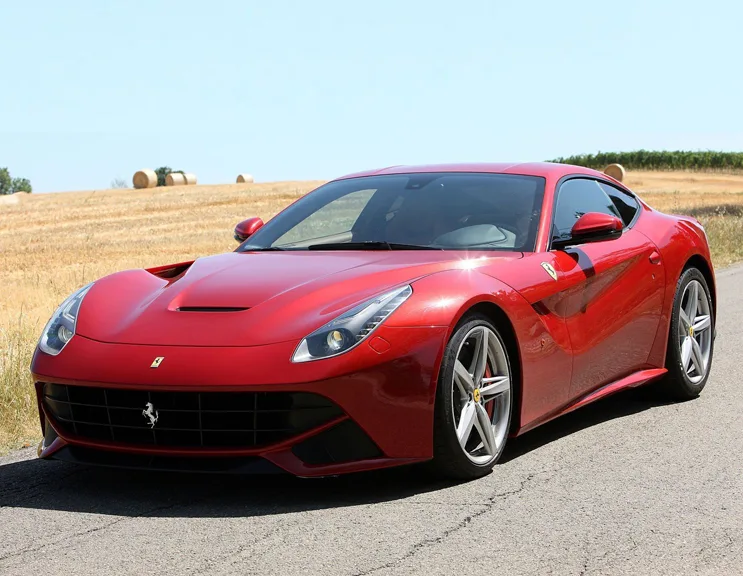
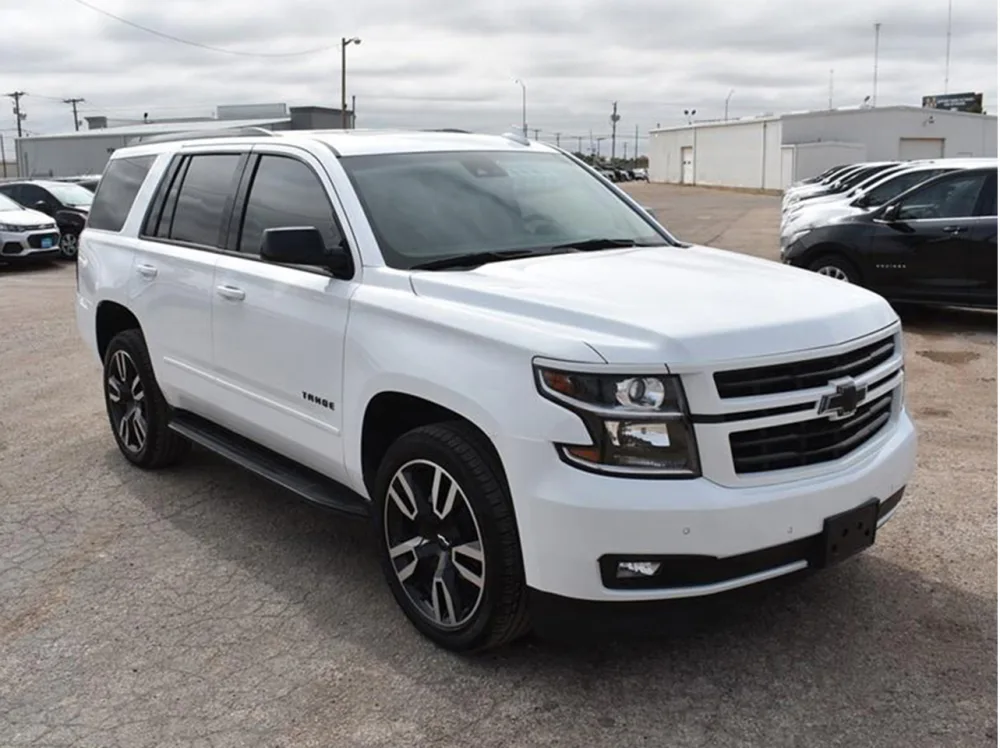
The hero has a short job description. The whole car in frame, front three-quarter angle, shot at a height that flatters rather than distorts. Light that shows the true color, which means color correction matters more here than anywhere else on the page. A background that removes the lot without removing belief: this is where car background replacement earns its place, putting the car in a clean, consistent scene with a real shadow under it, so the first impression is your brand rather than your car park. And it must be recognisably this car — its trim, its wheels, its specification — because a hero that oversells creates the most expensive sentence in retail: the buyer, on arrival, saying it looked different in the photos.
Choose the hero deliberately for every car. Do not let the upload order choose it for you, and do not reuse a library hero across different vehicles. One decision, made per car, by a person who has looked at the alternatives.
Hero image rebuilt for the VDP: hover or drag to compare
 BEFORE
AFTER
Drag the slider or move your mouse over the image to compare.
The gallery: a walking route, not a shoebox
After the hero, the buyer walks. A good gallery is a route: front three-quarter, front straight, side profile, rear three-quarter, rear straight, then the details the walk naturally passes — wheels, lights, badges, load space — then inside. When the sequence follows the physical logic of walking around a car, the buyer builds a mental model of the vehicle without effort. When the sequence jumps randomly between a wheel close-up, the boot, the front again and a dashboard, the buyer has to rebuild the car in their head on every swipe, and many simply stop swiping.
This is the layer where complete car dealer photo editing shows its value most clearly, because a gallery is judged as a set, not as individual frames. Consistent framing, consistent color, consistent backgrounds across thirty photos is what makes a set feel like one shoot of one car. Inconsistent sets — three photos in bright sun, two in shade, one at dusk with a different white balance — feel like several cars photographed on several days, and they quietly undermine the price. Editors who work on the set as a whole, matching light and color frame to frame, are not polishing vanity. They are manufacturing the coherence that buyers read as a well-kept car from a well-run business.
Order the gallery once, as a standard, and apply it to every car. Standards are what allow quality to survive staff holidays, new starters, and a forty-car intake week.
Spin and video: the closest thing to a test drive
Stills answer most questions, but they cannot answer the question of presence: how does this car sit, how do its lines run, is that mark a reflection or a dent. A 360-degree spin answers the first two by letting the buyer drag the car around with a thumb, and a short walkaround video answers all three, because movement separates reflections from damage in a way no still can.
Neither needs to be elaborate. A spin needs a disciplined set of frames at fixed intervals, shot from a locked position and edited so the background, light and color stay constant as the car turns — any flicker between frames breaks the illusion instantly, which is why spin sets are an editing task as much as a photography task. A walkaround needs sixty to ninety seconds, a steady path around the car, a pause at the details buyers ask about, and an honest close-up of anything the description mentions. What both need is the same raw material as the gallery: a complete, consistently edited photo set. Dealers who build the stills properly find the spin and the video are nearly free. Dealers who skip the stills find no video can rescue the page.
Place the spin or video high in the stack, directly after the hero or early in the gallery, where it can do its work before the buyer drifts. Buried at the bottom of the page, it is a feature nobody reaches.
The interior circuit: where the buyer sits down
Exterior photos get the click. Interior photos get the commitment, because the interior is where the buyer will actually live with the car. The circuit should follow the experience of ownership: the driver's seat and wheel, the dashboard and its displays lit and readable, the infotainment screen showing something real, front seats, rear seats, then the practical evidence — boot space in usable form, folding seats if they fold, and the condition details buyers hunt for: bolster wear, pedal rubbers, headlining, mats.
Two disciplines matter here. The first is honesty at reading distance. A dashboard photographed with warning lights edited away, or an odometer that cannot be read, converts a media asset into a liability; buyers zoom, and what they find decides whether they trust the rest of the page. Editing inside the car means cleaning light, correcting the color cast that mixed cabin lighting produces, and lifting shadows so trim reads truthfully — never altering what the instruments say. The second discipline is consistency with the exterior set: same color honesty, same clean standard, so the interior feels like the same car the outside promised. An immaculate exterior gallery followed by dull, yellow interior shots reads as two different vehicles, and buyers price the worse one.
Documents and proof: the paperwork wall of the showroom
A good physical showroom has a moment where the salesman stops talking and shows you the file: service history, inspection report, warranty terms, the HPI or title check. On the VDP, that moment is the documents layer, and it is the layer most dealers handle worst — a blurry photograph of a service book, taken at an angle, in shadow, that no buyer can actually read.
Treat documents as media, with the same standards as photographs. Service history pages flat, square, evenly lit and legible at full size. Inspection reports as clean scans or crisp photos with every page present. Warranty and history-check summaries shown as images beside the gallery or immediately beneath it, not hidden in a downloads folder. Where a document contains personal data from a previous keeper, redact it properly before it goes anywhere near the page — a small editing task that protects both the previous owner and you. Buyers rarely compliment a dealer on readable documents. They simply stay on the page longer, ask fewer basic questions when they enquire, and arrive better convinced. The paperwork wall does not sell the car. It removes the doubts that stop the sale.
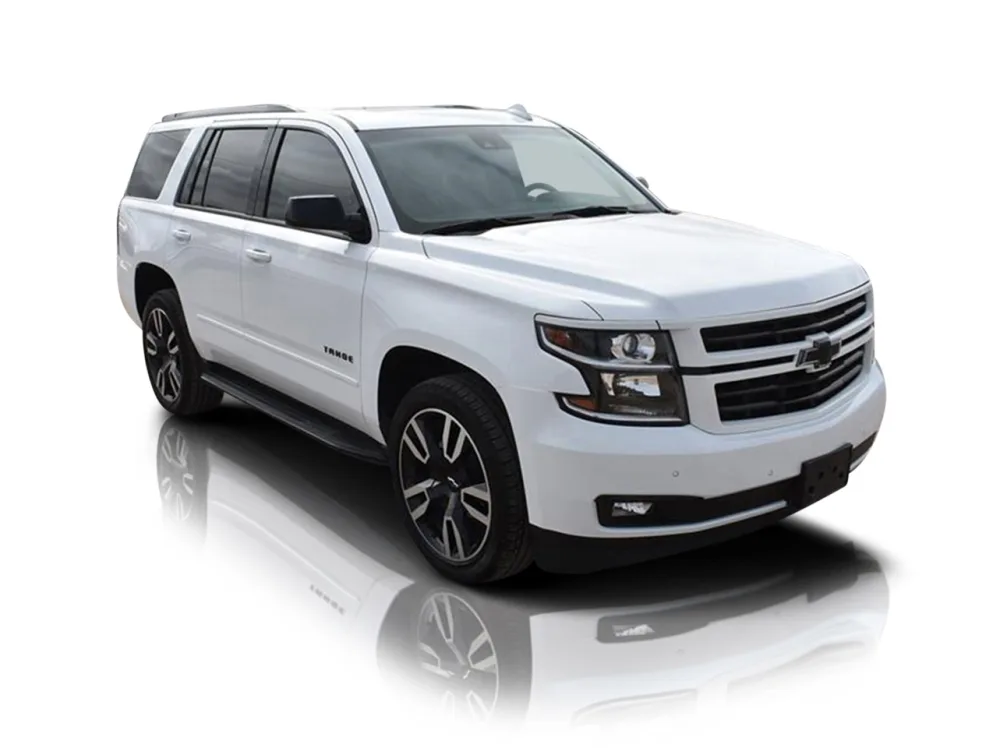
Reflective showroom floor under the hero: hover or drag to compare
 BEFORE
AFTER
Drag the slider or move your mouse over the image to compare.
Speed: the part of vehicle detail page optimization nobody photographs
No element of vehicle detail page optimization is easier to neglect than weight, because nobody sees it in a proofing gallery. A page carrying forty uncompressed camera originals can weigh as much as a small website all by itself, and on a buyer's phone, on a train, on a patchy 4G signal, that weight is measured in seconds — and seconds are measured in buyers who leave before the hero photo finishes arriving.
The discipline is unglamorous and entirely mechanical. Images should be exported at the dimensions the page actually displays, not the dimensions the camera captured, and compressed to the point where quality loss is invisible at viewing size. This is exactly what a proper car image resizing workflow exists for: the difference between a resized, compressed image and a camera file is invisible on the page and enormous in the download. Lazy loading — where images below the first screen load as the buyer scrolls — keeps the hero fast without shrinking the gallery. Video and spin files deserve the same suspicion as photos; an autoplaying multi-megabyte walkaround at the top of the page will outrun every other improvement you make. Weigh the page the way a buyer experiences it: on a mid-range phone, on mobile data, and fix what you find before you fix anything else.
Above the fold on a phone: the first screen decides
Most VDP traffic is mobile, which means the entire first impression is one phone screen: hero photo, price, headline facts, and the first action a buyer can take. Everything on that screen either earns the scroll or ends the visit. The hero must be the car, fully visible, not cropped by an overlay. The price must be readable without zooming. The key facts a buyer filters on — mileage, fuel, transmission, year — belong beside the photo, not three scrolls beneath it.
This is also the one place where graphic elements belong on a VDP, handled with restraint. A clean, consistent offer or finance banner, built through photo editing services for marketing agencies or a proper in-house car banner design process rather than improvised per car, can carry a deposit offer or a warranty message across the whole inventory without shouting. What it must never do is cover the car, contradict the price in the text, or change from listing to listing until the inventory looks like a jumble sale. The first screen is a promise about the business as much as the car: ordered, honest, easy. Design it like one.
Captions and alt text: the quiet words that sell twice
Photographs persuade the eye; captions persuade the mind that is checking its own reasoning. A short factual caption under key photos — the boot with the seats folded, the dashboard showing the service indicator, the tyre tread close-up — tells the buyer what they are looking at and why it matters, and it does so at the exact moment the question forms. Alt text does the same job for buyers who cannot see the images, and for the search engines deciding what the page is about. Both are cheap, both are skipped almost everywhere, and both compound: a page whose images are described accurately is a page that can be found by a buyer searching for the thing the photo shows.
Write captions like a person, not a keyword list. Name the car, the view, and the fact: "Rear seats folded — 1,900-litre load area with the ski hatch open" serves the buyer; a string of search terms serves nobody and reads as manipulation to both humans and algorithms. Describe every image in the set with the same care, including the documents and interior shots, and keep the descriptions truthful to what the photo actually shows. This is slow, unglamorous writing that pays rent every single day the listing is live.
Trust elements that belong next to the gallery, not under it
Buyers assemble trust from proximity. The evidence that reassures them works hardest when it sits beside the media it supports: the history check and inspection summary beside the gallery rather than in a footer, the warranty term stated next to the price rather than in a separate tab, the number of services recorded next to the photo of the service book. A buyer who has just scrolled through forty honest photos is at the peak of their confidence; that is the moment the proof should be in front of them, not the moment they are asked to go hunting through the page furniture.
Groups have a particular advantage here, and a particular risk. A consistent trust framework — the same inspection standard, the same warranty presentation, the same gallery structure on every site — can be applied across an entire group through car dealer branding templates, so a buyer moving between two of your rooftops sees one standard of evidence: in effect white label photo editing, where the finishing work carries the group's name and none of the desk's. The risk is the inverse: if one site in the group presents proof carefully and another presents none, buyers comparing the two do not average their trust. They apply the lower standard to the group as a whole. Trust, like photo consistency, is set by your weakest page.
One photo set, every destination: VDP and marketplace consistency
Almost every car you list lives in two places at once: your own VDP and one or more marketplaces — Cars.com or CarGurus in the States, AutoTrader in the UK, mobile.de or AutoScout24 in Europe. Buyers cross-shop between them, often with the same car open in two tabs, and they notice when the sets differ. Different photo order, different hero, one set visibly edited and the other raw: the discrepancy itself becomes the story, and it is never a flattering one.
The fix is a single master set. Shoot once, edit once to one standard, and publish the same sequence everywhere, cropped or resized only where a platform's format demands it. The master set discipline also halves the operational work: one approval, one upload source, one place to correct a mistake. Where platforms impose their own rules — and they all impose some — those rules edit the car itself almost not at all; they concern order, count, size and honesty, all of which a single well-built set already satisfies. Consistency between destinations is not a branding nicety. It is the difference between a buyer who sees the same car twice and trusts it more, and a buyer who sees two slightly different cars and trusts neither.
The 2026 VDP media checklist
Everything above condenses into the checklist below. Vehicle detail page optimization you can delegate, audit and repeat is simply this list, run per car, every car, until it becomes habit. Print it, pin it where the photos are uploaded, and score each listing against it before it goes live.
Before the shoot - The car is washed, vacuumed and dried, with glass clean inside and out - Tyres are dressed and wheels cleaned; number plates are treated the way your market requires - The shoot location is clear of other cars, signage and clutter, or the background plan is agreed in advance - Any known damage or wear is noted, so it can be photographed honestly rather than discovered later
The media stack - Hero photo chosen deliberately: front three-quarter, whole car in frame, true color, clean consistent background and a real shadow - Full exterior gallery in walking order: front, side, rear, and the detail circuit of wheels, lights and badges - Spin or walkaround video present, built from the same edited set, placed high in the gallery - Interior circuit complete: driver position, dashboard lit and readable, infotainment, front and rear seats, boot in usable form - Condition close-ups included for wear areas, photographed honestly at reading distance - Documents included and legible: service history, inspection report, history check, warranty terms, personal data redacted
Page, speed and first screen - Every image exported at display size and compressed; no camera originals on the page - Page loads acceptably on a mid-range phone over mobile data, tested, not assumed - Below-the-fold images lazy-loaded; video and spin files weighed and justified - First phone screen shows the whole car, the price and the key facts without zooming or scrolling - Any offer or finance banner is the standard group design, never covering the car or contradicting the text
Words and trust - Every image carries an accurate caption or alt text naming the car, the view and the fact - History, inspection and warranty evidence sits beside the gallery, not buried in page furniture - Price, mileage and specification in the text match what the photos show, exactly - Nothing in any image has been altered to change the car's apparent condition, color or specification
Consistency and upkeep - The set on your VDP matches the marketplace sets: same master photos, same order, same hero - Photo standard applied matches the group standard, including backgrounds, framing and branding - The listing is re-checked when the car's status changes: price drop, prep completed, or new photos added - Original unedited photos are kept on file for every published image
Twenty-six items. A listing that passes all of them is not guaranteed to sell first — no checklist can promise that — but it will never lose a buyer for a reason that was inside your control.
Measuring whether your media earns its place
You do not need specialist software to know whether VDP media work is paying. The marketplaces and your own analytics already report the signals that matter; the discipline is reading them per car and comparing like with like. Watch VDP views and, more tellingly, what happens after the view: gallery interaction and photo views per visitor, spin and video plays where the platform reports them, saves and shares, time on page, and the only terminal metric, enquiries per vehicle. A car with healthy views and weak gallery interaction has a media problem below the hero. A car with strong interaction and weak enquiries has a price, description or trust problem. The media tells you where to look, if you read it in layers.
Load performance belongs in the same review, because it is a media metric wearing a technical costume: check your most-viewed VDPs on a real phone, note the time to a usable first screen, and treat any page that keeps a buyer waiting as a listing defect. Then change one variable at a time. Upgrade the hero and gallery order on your slowest third of stock, hold the rest steady for a fortnight, and compare enquiry behavior against the unchanged cars with similar age and mileage. Media improvements show up first in saves and deeper gallery travel, then in enquiries. Measure in that order and you will see the effect before your competitors believe it exists.
How Cars Photo Editor supports the checklist
Most of this checklist is discipline, and discipline is exactly what a hand-editing workflow provides. Cars Photo Editor has edited dealer photography by hand since 2016 — no AI tools are used on your photos at any stage. An editor prepares the full set as a set: hero selected and finished, gallery color- and light-matched frame to frame, backgrounds replaced consistently, spin frames aligned so the turn does not flicker, documents straightened and made legible, everything resized for the destinations it will be published to. Dealer photo editing is $0.59 per image, background replacement $0.69, resizing $0.19, with volume discounts of 5 percent at 100 images and 10 percent at 500, and 24 hour car photo editing as the standard turnaround for typical batches across the USA, the UK and Europe.
The honest way to judge any of it is on your own stock. The car photo editing free trial covers 5 to 10 of your photos, edited and returned for approval before any payment. Send a complete car's set rather than a single frame, run it against the checklist above, and put it on the VDP next to the raw version's numbers for a fortnight. The page is your showroom now. It should look like you believe that.
Bring your VDP up to checklist standard, free
Send us 5 to 10 of your own listing photos (files or a Drive or Dropbox link) and we will edit them free, by hand, so you can judge the quality on your own inventory before you spend anything.
Start Your Free TrialVDP media: common questions
What is a VDP in car sales?
VDP stands for vehicle detail page: the single page on a dealer website or marketplace that presents one specific car, with its full photo gallery, specification, price and enquiry options. It is the page a buyer studies before deciding to visit or enquire.
How many photos should a vehicle detail page have?
Enough to walk the buyer around and through the car without gaps: a complete set covering all exterior angles, the detail circuit, a full interior circuit, condition close-ups and the key documents. In practice that means a set in the region of thirty to forty photos for most used cars, in a deliberate order, rather than a small set padded with near-duplicates.
Does page load speed really affect vehicle detail page performance?
Yes. Most VDP visits happen on phones, often on mobile data, and a page weighed down with uncompressed camera files keeps buyers waiting before they have seen a single photo. Dealers cannot control a buyer's connection, but they fully control image weight: exporting at display size, compressing properly and lazy-loading below-the-fold images are direct, measurable improvements.
Should the photos on my own website match my marketplace listings?
Yes. Buyers routinely view the same car on the dealer's site and on a marketplace side by side, and mismatched sets, different heroes or different photo order create doubt about the car itself. One master set, edited once to one standard and published everywhere, removes the doubt and halves the work of maintaining it.