Certified Pre-Owned Photos: Photographing CPO Cars to OEM Standards
October 28, 2026 · Dealer Guides
Certified cars sell a promise, and the photos carry it. This guide goes beyond the standard gallery to the evidence set: tread, brakes, underbody and documents photographed and edited so a CPO listing stays inspection-ready.
Key takeaways
- CPO photos evidence condition; they do not decorate
- Shoot tread, brakes, underbody and document pages
- Wear shown well is worth money certified
- Audit monthly so galleries stay inspection-ready
Certified pre-owned photos have a harder job than ordinary listing photos: they must prove condition, not merely show a car. A CPO gallery that meets OEM standards covers the full standard shot list plus an evidence set — tires, brakes, underbody where the program requires it, inspection documents and warranty paperwork — shot consistently and edited honestly. This guide sets out that full set, the discipline behind it, and the audit habits that keep every certified gallery ready for inspection.
It is written for the people who sign for that promise: franchise dealer principals, certified pre-owned managers, and the inventory photographers whose cameras produce the evidence. One caution before the detail. Every manufacturer runs its certification program differently, with its own inspection checklist, its own branding rules and its own photo expectations, and those programs are revised. Treat what follows as the general standards discipline that sits underneath all of them, and verify the specifics against your own manufacturer's current program manual before you change a workflow because of anything written here.
Why certified pre-owned photos carry the whole promise
Certified pre-owned photos are the first inspection a buyer performs, long before anyone at your dealership knows their name. A certified car asks the buyer to pay a premium over an ordinary used car, and the certificate is the justification: an inspection was carried out, standards were met, a warranty stands behind the result. But the buyer cannot see the inspection. They cannot watch the technician work through the checklist. What they can see, at midnight on a marketplace app, is your gallery. The photos are where the certificate stops being a claim in the listing text and starts being something the buyer can test with their own eyes.
That is why CPO photography fails differently from ordinary listing photography. A weak gallery on a standard used car costs you clicks. A weak gallery on a certified car undermines the single reason the car is priced where it is. The buyer who finds a certified listing with nine hurried photos, a dirty engine bay and no sign of the inspection that supposedly happened does not think the car is a bargain. They think the certificate is a sticker. Every part of the CPO process, from the workshop hours to the warranty cost built into the price, is then being argued against by the cheapest step in the chain: the photographs.
The reverse is also true, and it is the opportunity. A certified gallery that looks inspected — complete, ordered, consistent, and visibly honest about the car's condition — does the certificate's work before a salesperson says a word. Dealerships searching for a car photo editing service for dealers usually arrive with ordinary inventory in mind. It is worth deciding, as a policy, that the certified stock gets the strictest version of your photo standard, because that is where the standard is carrying a promise you have already paid to make.
What certification adds: from showing a car to evidencing a car
Certified pre-owned photos exist to evidence a car, not merely to show it, and that changes the purpose of the camera. On an ordinary listing, a photo answers one question: what does this car look like. On a certified listing, every photo quietly answers a second question as well: what is this car's condition, and can I verify the claim being made about it. The set therefore has to do three kinds of work at once. They present the car, as any good gallery does. They evidence the car, covering the inspection points a knowledgeable buyer, or an OEM auditor, would look for. And they document the car, recording the paperwork that turns a sales claim into a verifiable fact.
This shift has practical consequences for how a set is planned. A standard gallery is a tour: outside, inside, details, done. A certified gallery is a tour with a dossier attached. The inspection report is not an internal document that happens to exist in a folder; photographed properly, selected pages of it become part of the listing itself. The service history is not a line in the description; it is a set of legible images a remote buyer can actually read. The warranty is not a badge in the corner of the first photo; its document is in the set, where a cautious buyer expects to find it.
Planning the set this way also changes who needs to be involved. The photographer needs the inspection checklist, or at least the inspection's headline results, before shooting, because evidence photos are aimed at specific points: this tire, this brake disc, this documented repair. The CPO manager needs to agree in advance which documents will be photographed and which lines on them must be covered for privacy. And whoever edits the set needs to understand that a CPO gallery is checked against the car and the report, not just against a style guide. Get those three conversations done once, write the result into your standard, and the per-car work becomes routine.
The standard set still applies, but the bar is higher
Nothing about certification replaces the standard gallery; the certified car needs the same complete tour as any front-line listing, executed to a tighter tolerance. The exterior circuit in the usual order — front three-quarter hero, straight front, both sides, rear three-quarter, rear, then the detail circuit of wheels, lights, badges and trim. The interior circuit — cockpit wide, steering wheel and controls, infotainment and cluster, front seats, rear seats, cargo area, headliner. On a certified car, each of those frames also has to survive a harder question than "is this attractive": "does this frame show anything that contradicts the certificate."
That is where professional car dealer photo editing earns its place in a CPO workflow. The editing on a certified set is about removing everything that is not the car: the cluttered background, the harsh shadow that makes a clean panel look dented, the color cast that turns a silver car blue-grey under workshop lights. Presentation is not decoration here. A buyer studying a certified car is reading the paint for honesty, and anything in the frame that muddies that reading — glare, dirt on the lens, a chaotic lot behind the car — makes the condition harder to judge and the certificate easier to doubt.
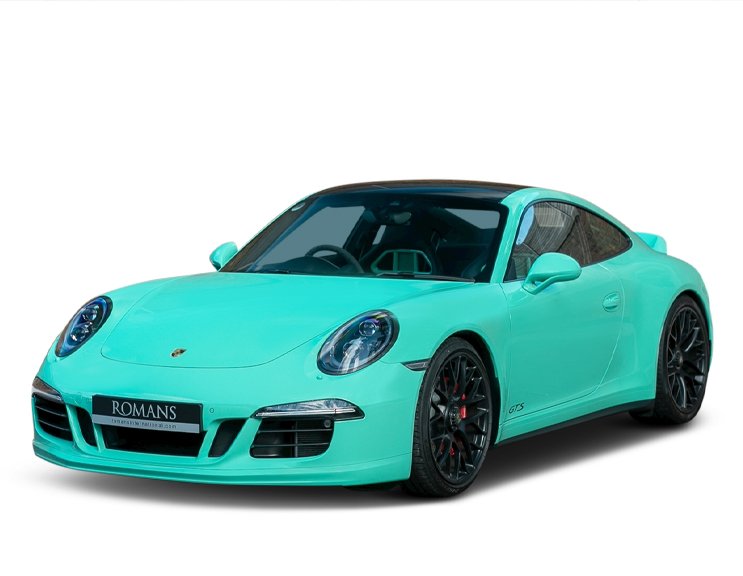
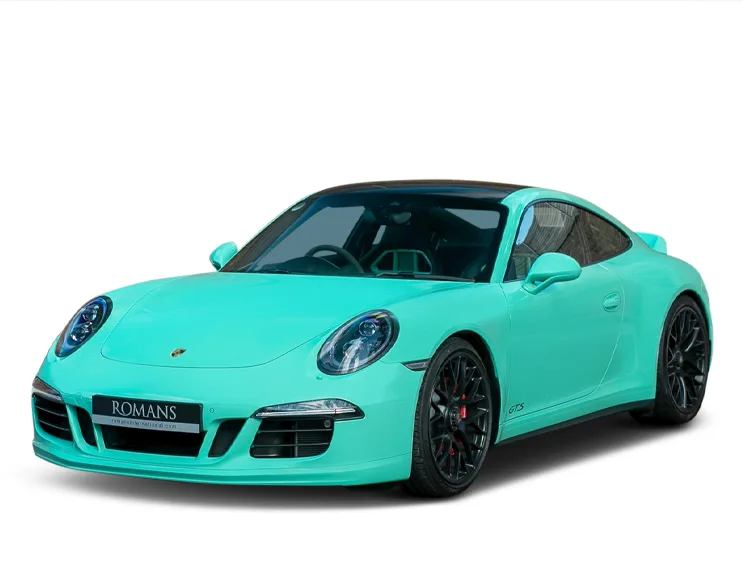
The car retouching service work follows the same line. Retouching on a CPO set cleans the scene: dust on the lens, water spots from a wash an hour before, reflections of the photographer in the paint. It does not clean the car's record. A stone chip that the inspection noted stays visible, presented in good light. A wheel with kerb rash that passed the program's standard is shown as it is, clean and well lit. The distinction sounds obvious written down, and it is the distinction the whole certified offer rests on, so it belongs in your written standard, not in individual judgment calls at the editing desk.
Careful retouch preserving certified condition evidence: hover or drag to compare
 BEFORE
AFTER
Drag the slider or move your mouse over the image to compare.
The evidence set: the photos beyond the standard gallery
Here is the part of certified pre-owned photos that most dealerships underbuild: the evidence set that sits behind the tour. Its contents vary by manufacturer program, and your manual governs, but the categories recur across programs. Tires come first, because buyers and auditors both look at them as a shortcut for how a car has been kept. Photograph each tire's tread with a depth gauge in frame where your program measures it, close enough that the tread pattern and the reading are both legible, and add a sidewall frame where the brand and size markings can be read. Brakes follow: a clear frame of disc and pad condition through the wheel where access allows, shot in even light so scoring or lip wear reads truthfully.
Underbody photographs are required by some programs and welcomed by serious buyers on all of them. Shot on a lift in the workshop, before the car is valeted into silence, they show the underside, exhaust, and any underbody protection in honest condition. They are not glamorous frames and they are not meant to be. Their job is to exist, to be clear, and to match the inspection notes. Engine bay photographs belong in the same category: clean, complete, taken from both sides, with fluid reservoirs and belts visible rather than shadowed into mystery.
Then the documentation photography, which deserves the same craft as the car itself. Photograph the inspection report pages that carry the pass results, the service history records, and the warranty document, flat, square to the page, in even light with no glare across the text. Every word a buyer might want to read must actually be readable at full size; a document photo that cannot be read is worse than none, because it looks like concealment. Cover personal data before shooting — previous keeper names and addresses have no place in a public listing — and keep the vehicle's identification consistent: the VIN in the documents, the VIN plate photograph, and the listing details must agree exactly. An odometer frame showing the certified mileage, taken with the cluster lit and no warning lights showing, closes the set. Photographers who shoot documents well treat them as product shots, not paperwork, and the difference shows.
Consistency across a franchise group's certified inventory
A single dealership can hold a photo standard together with habit. A franchise group cannot, and certified inventory is where inconsistency becomes expensive. A buyer comparing two certified cars from two rooftops of the same group should see the same gallery architecture: the same opening frame, the same order, the same background family, the same evidence set in the same positions. When one store's certified cars arrive with forty disciplined frames and another's arrive with fifteen assorted ones, the buyer does not conclude that one store is busier. They conclude that the certificate means different things in different places, which is precisely what a franchise program exists to prevent.
The mechanics of group consistency are unglamorous and well understood. One written CPO shot list for the whole group, built from the manufacturer's program and your own additions. One reference set that shows the standard instead of describing it. One background family and one branding treatment, applied centrally or to a central specification, so the editing cannot drift store by store. This is the point at which groups usually move the editing itself to one desk or one provider, because bulk car photo editing handled in one place is how a standard stops depending on who was on shift. The per-car cost stays at the per-image level — dealer editing is $0.59 per image, with volume discounts of 5 percent at 100 images and 10 percent at 500 across a group's combined flow — while the consistency gain is the difference between a program and a hope.
Audit the group against itself, not against perfection. Once a month, pull one certified gallery from each rooftop, lay them side by side, and score them against the shot list. Missing evidence frames, drifting backgrounds, documents photographed at an angle in poor light: these are process findings, fixable with a conversation and a reference set. The groups that sustain OEM-level photography are not the ones with the best cameras. They are the ones where somebody owns the comparison.
Backgrounds and branding under manufacturer identity rules
On ordinary stock, a dealership's background and branding choices are its own business. On certified stock, the manufacturer has a say, and the say is usually written down. Franchise identity programs commonly govern how the brand's marks may appear, what co-branding is permitted on listing images, whether program logos can be applied to photographs and by whom, and what the certified offer may look like when it sits next to the manufacturer's own marketing. Dealerships get into trouble here innocently: a well-meant overlay carrying the program badge, applied by a local template tool in the wrong position or the wrong proportions, can breach the identity rules the franchise agreement points at.
The safe architecture is to treat the certified background and branding treatment as a fixed, approved asset rather than a per-car decision. One background scene family, checked against the identity rules. One overlay treatment for dealer logo and branding on car photos, approved once, applied identically. This is exactly the work car dealer branding templates exist to standardize: the logo, borders and program elements are built into a template that cannot drift, so the hundredth certified car carries the same treatment as the first.
Underneath the branding sits the car background replacement itself, and on certified cars the standard is stricter than on ordinary stock for a simple reason: the scene must never be more interesting than the evidence. A calm, neutral, repeatable background — your own forecourt cleaned of clutter, or a studio treatment in the manufacturer's spirit — keeps every eye on the car and keeps the group looking like one program. Dealerships comparing providers will find the car background replacement service priced at $0.69 per image here, done by hand, with the shadow built under the car and the light matched to the scene, so a row of certified listings reads as one inspection standard rather than one photographer's afternoon.
The honesty line: on a certified car, wear shown well is worth money
Every editing standard has a line, and on certified cars the line is brighter and closer. It can be stated in one sentence: editing may change how clearly a car's condition can be seen, and may never change what that condition appears to be. Light can be balanced so a scuff reads at its true depth. Color can be corrected so the paint the buyer sees is the paint on the car. A background can be replaced entirely. What cannot happen is the scuff softened, the worn bolster reframed out of the set, the tire photographed only from its best angle, or a document page skipped because its contents are inconvenient.
Dealers sometimes worry that this discipline costs sales, that showing wear on a premium-priced certified car invites negotiation. Experience argues the opposite, and the logic is visible in the buyer's position. The certified buyer is paying for verified condition. A gallery that shows a five-year-old car with five-year-old evidence of careful use — a light mark here, honest tread readings, a full document trail — confirms the verification story. A gallery that presents the same car as factory-fresh contradicts it, because the buyer knows the car has lived a life, and a listing that pretends otherwise makes them wonder what else is being managed. Wear shown well is not a discount request waiting to happen. It is the certificate made visible.
There is also a harder-edged reason. Certified cars are sold under program descriptions, warranty documents and, in many markets, consumer protection law that treats the listing as part of the contract story. If a dispute ever arises, your photographs will be read alongside the inspection report, and any gap between them becomes the argument. The gallery that agrees with the report, frame by frame, is the strongest position a dealership can occupy, and it costs nothing beyond the discipline to produce it.
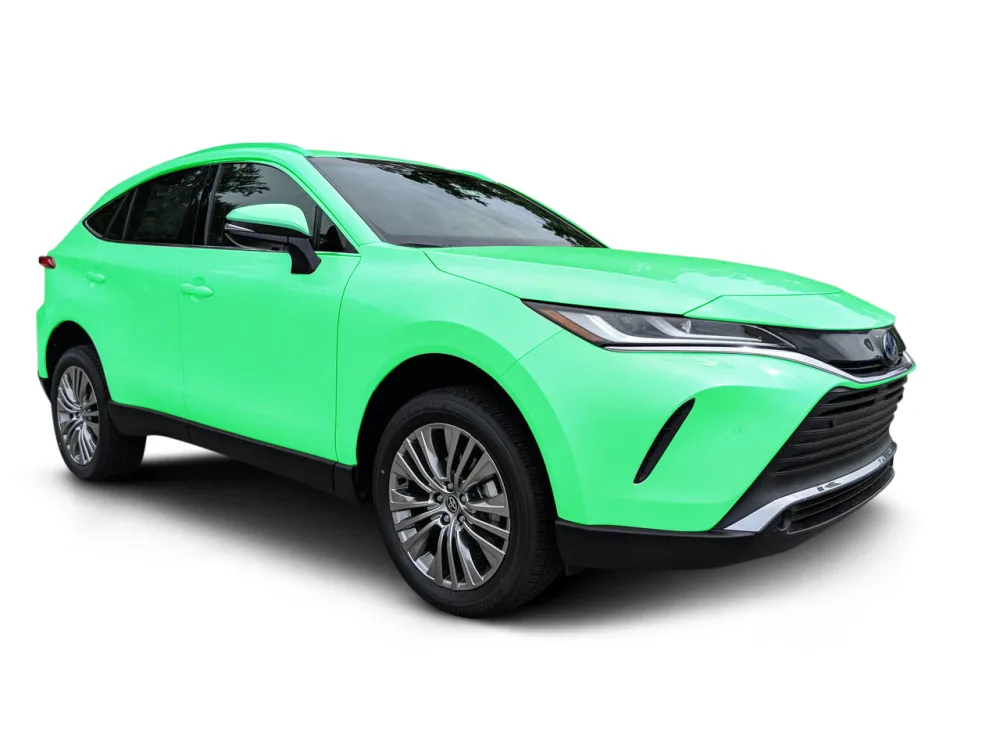
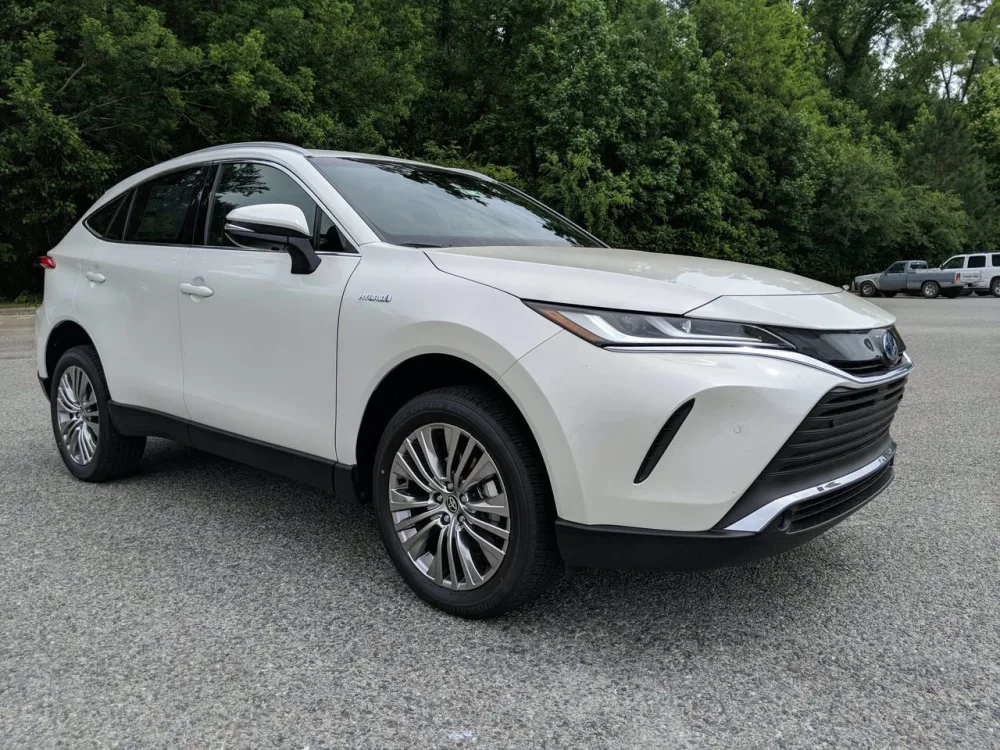
True colour for condition evidence photos: hover or drag to compare
 BEFORE
AFTER
Drag the slider or move your mouse over the image to compare.
Editing certified photos: what a careful desk does, and never does
The editing workflow for a certified set is the standard workflow run with the report open beside it. The desk corrects exposure and white balance so every frame agrees with the next; car color correction matters doubly here, because a certified buyer comparing panel colors across a gallery is checking for undisclosed paintwork, and a color cast can manufacture a mismatch that does not exist on the car — or hide one that does. The car color correction service is $0.39 per image, and on certified stock it is the cheapest accuracy you can buy. The desk replaces or cleans the background to the approved family, builds the ground shadow, straightens and crops to marketplace specification, and applies the approved branding template. Then it checks the finished set against the car and the inspection notes, frame by frame, before anything is released.
What the desk never does is a short list, and it should be written into any agreement with any editing provider. Never remove or soften damage, wear or corrosion. Never alter readings: odometer, gauges, tread depth, document text. Never change the car's color, specification or trim appearance. Never delete an evidence frame because it is unflattering; if it is unclear, it is reshot, not removed. At Cars Photo Editor, every image is edited by hand — no AI tool touches your photos — by editors who have worked to dealership standards since 2016. On certified work that human check is the point: a person compares the finished gallery with the originals and asks whether anything in it would mislead a buyer standing in front of the real car.
Audit habits that keep a certified gallery inspection-ready
Standards decay quietly, so the last piece is a routine, not a resolution. Build the audit into the same rhythm as the certification work itself. Before a certified listing goes live, one named person checks the gallery against the shot list: standard circuit complete, evidence set complete, documents legible, identification consistent across the VIN frames, the report pages and the listing text. That check takes minutes per car and catches the missing underbody frame while the car is still on the premises and can be reshot in one trip to the workshop.
Monthly, sample the live certified inventory the way an auditor or a mystery shopper would. Open listings at random and read them as a buyer: does the gallery prove what the text claims, does the evidence match the asking premium, does this store's set look like the group's set. Keep the findings in one page, share them with the photographers and the editing desk together, and fix process before blaming people. When the manufacturer revises the program — new inspection items, new branding rules, new warranty wording — the shot list and the document set are revised the same week, and the standing instruction to verify against the current manual stops being a disclaimer and becomes the habit that keeps the whole gallery defensible.
How Cars Photo Editor handles certified work
We edit certified inventory the way this guide describes, because our dealership clients' auditors and buyers read the results the same way yours do. Send the full set, including the evidence frames and the documents, and tell us the program's shot list if your manufacturer prescribes one; we will edit to it, apply your approved branding treatment, and return the set within 24 hours for typical batches, checked against your originals. Pricing is per image and published: dealer editing $0.59, retouching $0.50, color correction $0.39, background replacement $0.69, with 5 percent off at 100 images and 10 percent at 500. Branding template work is quoted as a custom setup, then applied at the per-image rate.
The right way to judge any of this is on your own certified cars. The free trial car photo editing offer covers 5 to 10 images, edited by hand and returned for your approval before you pay anything. Send a hard set on purpose: a dark car, a full evidence run, a document page that must stay legible. If the returned gallery is one you would be content to have an OEM auditor open, the standard works. That is the only test that has ever mattered.
CPO photos at certificate standard, free to test
Send us 5 to 10 of your own listing photos (files or a Drive or Dropbox link) and we will edit them free, by hand, so you can judge the quality on your own inventory before you spend anything.
Start Your Free TrialCertified pre-owned photos: common questions
How many photos should a certified pre-owned listing have?
The full standard gallery plus the evidence set. In practice that means the complete exterior and interior circuit, the detail frames, and then the certification layer: tire and brake evidence, engine bay, underbody where your program requires it, odometer, and legible photographs of the inspection report, service history and warranty documents. Count matters less than completeness against your manufacturer's shot list; if a frame on the list is missing, the gallery is not finished.
Are dealers allowed to edit certified pre-owned photos?
Yes, presentation editing is normal and expected: exposure, color accuracy, background replacement, cropping and approved branding. What is never permitted, by program rules and by advertising law in most markets, is altering the car's apparent condition — removing wear or damage, changing readings on the odometer or gauges, or altering document content. Edit the scene and the light freely; edit the car and its evidence not at all.
Can a car be photographed before its certification inspection is complete?
The standard tour can be shot whenever the car is prepared, but the evidence set should be photographed against the finished inspection, because the frames must agree with the report — tread readings, brake condition and documented items included. Most dealerships shoot the tour at preparation and the evidence set at inspection sign-off, then publish the gallery as one complete set rather than adding frames piecemeal.
How do I choose a car photo editing company for certified inventory?
Ask three questions. Do they edit by hand and check finished sets against the originals, so condition is never altered. Can they work to a written shot list and branding template, identically across every store in a group. And will they prove it on your own cars first — a free trial of 5 to 10 images, turned around within 24 hours, costs you nothing and shows you exactly the standard your certified buyers and auditors will see.