
From Lot to TikTok: Dealership TikTok Marketing from Your Listing Photos
October 28, 2026 · Dealer Guides
One listing shoot can feed your VDP and your social channels. This guide turns stills into vertical Shorts and Reels with safe-area crops, sequenced beats, mute-proof captions and a posting rhythm tied to stock arrivals.
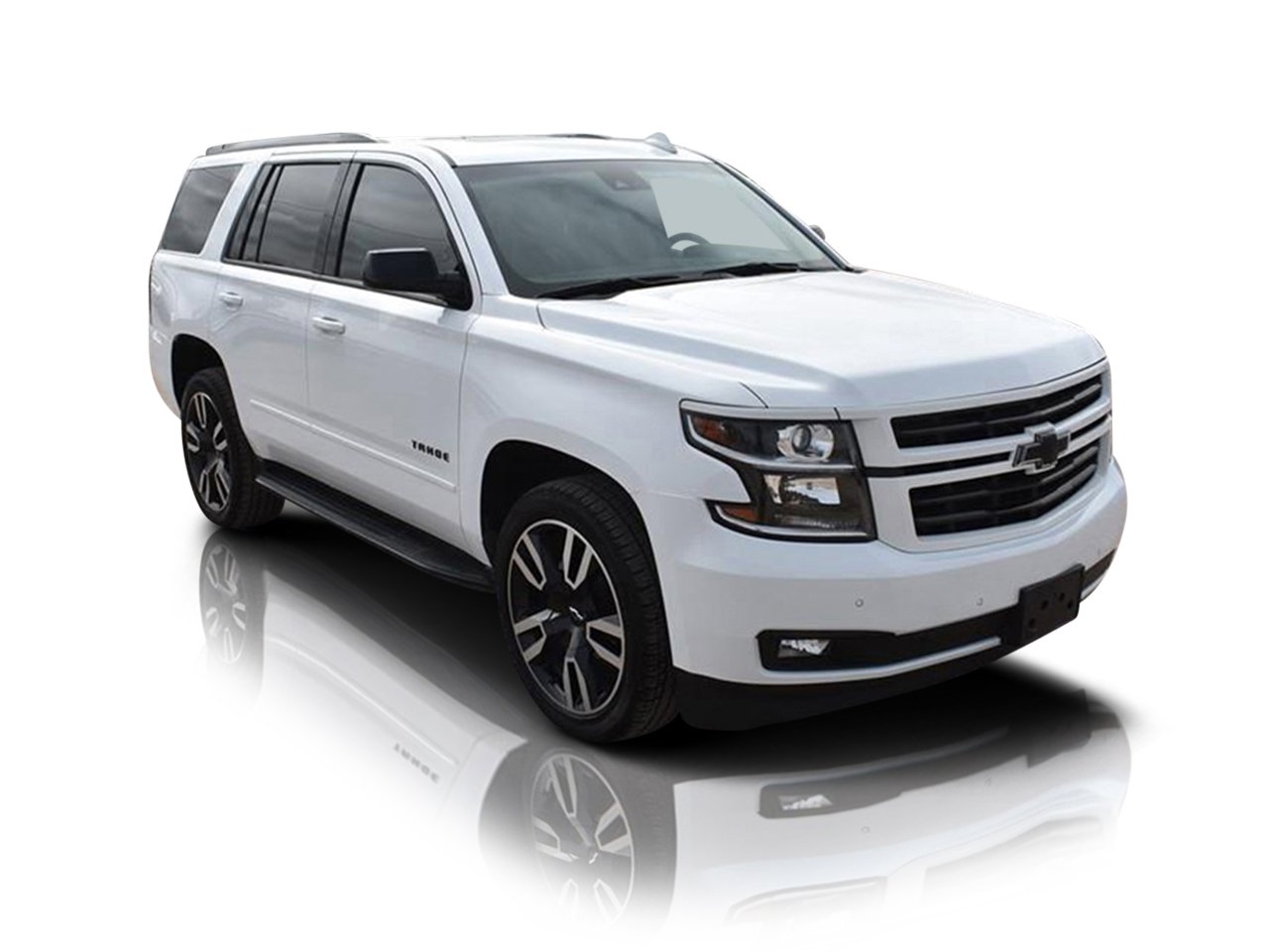
Key takeaways
- One shoot feeds listing, VDP and vertical
- Crop stills inside the vertical safe area
- Measure saves, shares and enquiries, not views
- Video car must match the VDP car
Dealership TikTok marketing does not need a camera crew, a presenter, or a second shoot. The listing photo set you already produce for every car — hero shot, walk-around angles, interior frames, detail close-ups — contains every image a strong Short or Reel needs, as long as it was shot in a sensible order and edited to one consistent standard. Crop those frames to vertical with the car protected inside the safe area, sequence them as arrival, walk-around, interior, proof and offer, finish with banner frames that read clearly with the sound off, and the car that stops a thumb on TikTok is the same car the buyer finds on your vehicle detail page.
This guide is written for the people who actually carry this work: dealer marketing staff, social media managers, used car managers who approve what goes out, and the photographers and editors who supply the raw material. It covers the whole chain, from how the original shoot should be planned when social is one of its destinations, through crop rules, sequencing, captions, music rights, and posting rhythm, to the measurement that tells you whether any of it is selling cars. One shoot, three channels: the marketplace listing, your own VDP, and the vertical feed. That is the whole idea, and everything below is the working detail.
One shoot, three channels
Dealership TikTok marketing fails most often at the planning stage, not the posting stage. A social manager is handed a folder of listing photos at four in the afternoon and asked to make something by five. The photos were shot purely for a marketplace gallery: tight crops, no headroom, mixed angles, whatever background the lot offered that day. The resulting video looks like what it is, an afterthought. The fix is not more effort on the video. The fix is deciding, before the shutter is pressed, that this set of photos has three jobs.
The first job is the marketplace gallery, where the set must satisfy platform rules and sit honestly beside forty competing cars. The second job is your VDP, where the same set carries the full inspection a serious buyer performs. The third job is vertical video, where single frames become scenes. A set planned for all three looks almost identical to a set planned for the first two, with three small additions: a little more space around the car in the hero frames, at least two true vertical frames of the strongest angles, and a deliberate order of shooting that matches the order a viewer would walk around the car. Those additions cost the photographer minutes. They save the social manager hours, and they are the difference between a feed that looks produced and a feed that looks improvised.
This is also where the economics work. A dealer who already pays for edited listing photos is not buying content twice. The video channel is a second use of an asset the business already owns, which is why the dealers who sustain a daily or near-daily posting rhythm are almost never the ones filming special content. They are the ones whose standard photo pipeline quietly feeds the feed.
Shoot the listing set like it will move
A spin-ready discipline helps here too, for the same reason it helps 360 galleries: sequence and consistency. Shoot the exterior in a fixed walking order, front three-quarter first, then down one side, around the rear, and back up the other side, at a consistent camera height. Keep exposure and white balance locked across the set so frame-to-frame color does not jump when the stills are sequenced as motion. Shoot the hero and the front three-quarter slightly wider than the marketplace crop needs, because the vertical crop will take its frame out of the middle and sides of the horizontal original, and it needs material to work with.
Interiors deserve the same foresight. The cockpit wide shot, the infotainment screen lit, the seats, the boot: these are the frames that hold attention mid-video, because they answer the questions a buyer types into your enquiry form. Shoot them clean and bright rather than moody. Detail frames — a wheel, a badge, a headlight, stitching, a service-history stamp — become the proof beats later, so take two or three more than the gallery strictly needs.
None of this requires the dealer to become a studio. It requires a written shot order, a reference set, and editing that treats the whole set as one product. That is what a proper car photo editing service for dealers is really selling underneath the per-image price: not forty separate corrections, but one consistent set that can be published three ways without anyone re-checking it frame by frame.
The vertical problem: safe areas and crop rules
Every platform wraps your video in its own furniture. TikTok puts the account name and caption low on the screen, action buttons down the right side, and progress and search elements at the top. YouTube Shorts and Instagram Reels arrange the same furniture slightly differently, but the practical result is shared: the top band and the bottom quarter of a 9:16 frame are partially covered, some of the time, by text and buttons you do not control. The working rule is to keep everything that matters — the car, the price, the key words of any banner frame — inside the central band of the frame, roughly the middle sixty percent vertically, and clear of the right-hand rail.
For the crop itself, work at 1080 by 1920 pixels and treat the horizontal hero as raw material, not as the finished frame. A front three-quarter shot usually crops well because the car sits diagonally and fills the vertical frame with presence. A pure side profile is the hardest: cropped to vertical it either loses the nose or the tail, or shrinks the car into a letterbox strip. The honest solutions are to use the side profile as a slow pan across the frame rather than a static crop, or to shoot one true vertical side frame at the lot for exactly this purpose. What you should not do is stretch, squeeze, or fill the sides with a blurred blow-up of the same photo. Buyers recognize the blur-fill trick instantly, and it cheapens every frame around it.
This is also where disciplined car image resizing and cropping earns its money. One master set should leave the editing desk already prepared in its three shapes: marketplace ratio, VDP ratio, and vertical with the safe area respected and the car placed deliberately in the frame — not a hopeful auto-crop applied by whichever app the social manager had open. At $0.19 per image, resizing is the cheapest line on our price list, and for social-led dealers it is often the line that makes the whole system run on time.
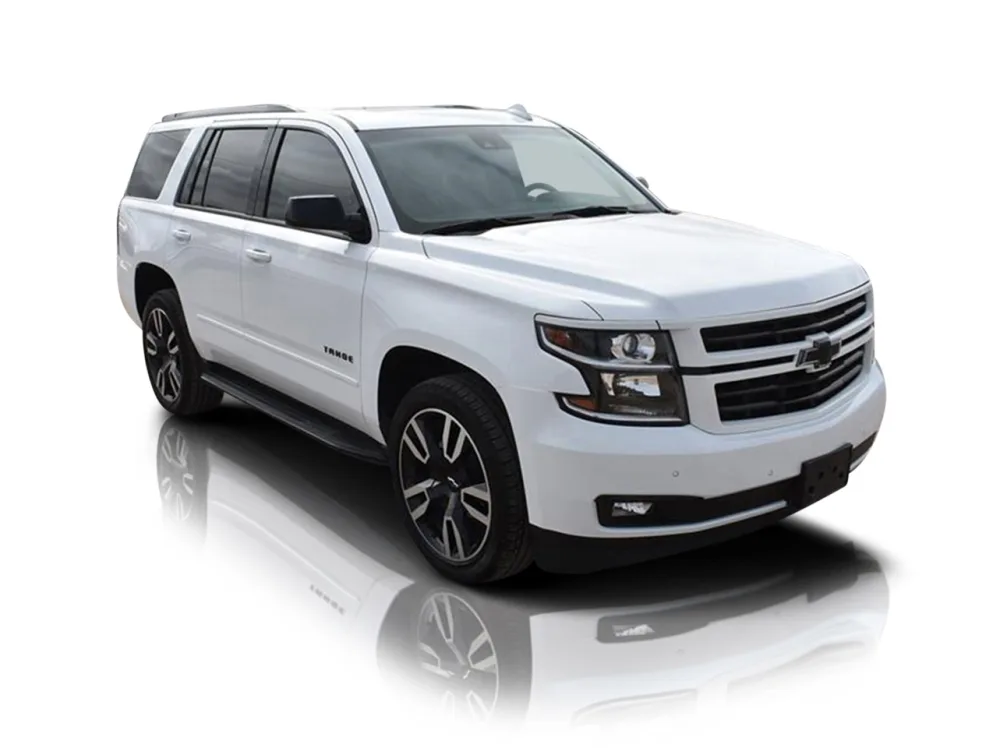
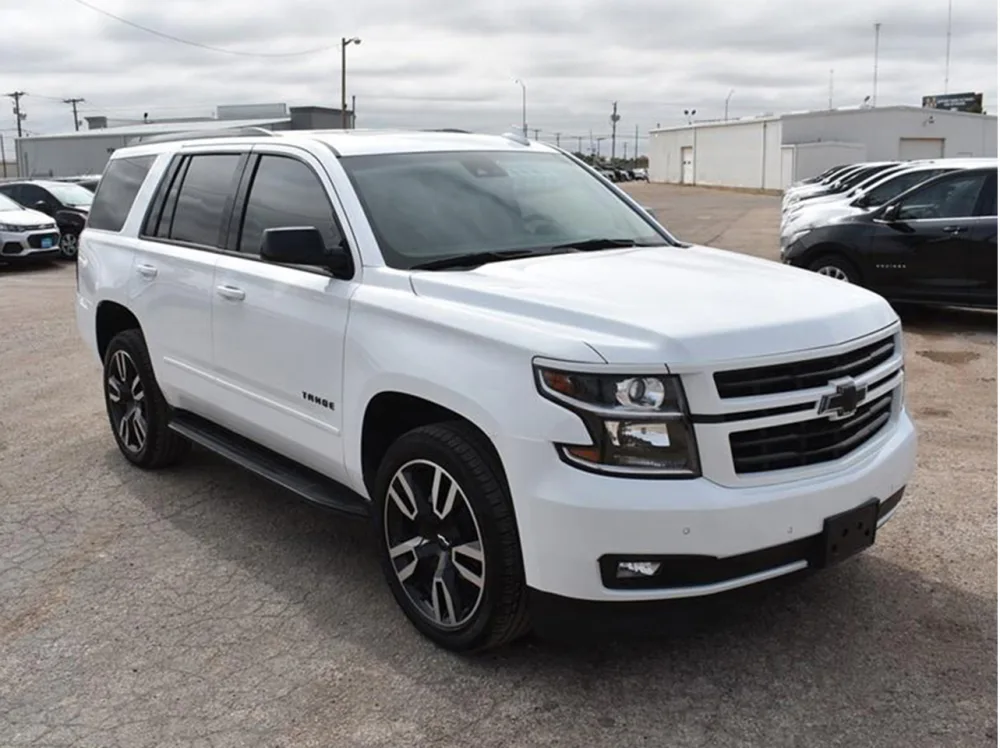
Polished floor reflection for vertical frames: hover or drag to compare
 BEFORE
AFTER
Drag the slider or move your mouse over the image to compare.
Sequence stills into a story
A good sixty-second car video made from stills follows the shape of a good walk-around, because it is one. Open with the arrival beat: the hero frame, with a slow push-in, carrying nothing but the car and one line of text — year, model, and the single fact that makes this example worth stopping for. Then the walk-around beats, one angle per frame in shooting order, each held just long enough to read, moving the eye around the car in the direction a person would walk. Follow with the interior beats: cockpit, screen, seats, boot. Then the proof beats, the detail close-ups that say this car has been looked after — tyre tread, brake disc, service stamps, an unmarked wheel. Close with the offer frame, described in the next section.
Pacing matters more than effects. Still frames held between one and a half and three seconds, with gentle push-ins or slow pans, read as calm and premium. Fast cuts, spins, and zoom slams read as a clearance advert, which is fine if that is genuinely the message and corrosive if it is not. Transitions should be almost invisible: a plain cut or a short dissolve keeps attention on the car. The one effect worth using deliberately is the matched cut — ending one frame and starting the next from a similar angle at a different distance — because it gives still photography a feeling of camera movement without any trickery a buyer would resent when they meet the real car.
Above all, the sequence inherits the honesty rules of the gallery it came from. The video may reorder and crop the truth; it may not revise it. If a frame would need the car's color warmed, its background swapped for a location the car has never visited, or a mark on the bumper removed to work in the sequence, the answer is to choose a different frame, not a different car.
Banner frames and captions that survive mute autoplay
Plan for the viewer who never turns the sound on. A large share of short-form viewing happens in places where audio is off, down, or socially impossible, so the video has to make complete sense in silence: what the car is, why it is interesting, what it costs, and where it is. That information load is carried by two things — burned-in captions for anything spoken or narrated, and banner frames for the facts.
The offer frame is the banner that matters most. It needs the price, the year and model repeated, mileage, and one trust line — warranty, inspection, or history checked, whichever is true — in type large enough to read at arm's length on a phone, in your brand colors, on your standard template. This is a design task, not a typing task, and it is why dealers with a recognizable feed treat car banner design as part of the photo pipeline rather than an afterthought in a phone app. A consistent banner template also does quiet brand work: regular viewers start recognizing your frames before they read a word, which is exactly what a feed is for.
Opening text deserves the same discipline. The first frame's line is a headline, not a caption: it should name the car and the hook in under eight words. Price-drop and just-arrived variants of the template let the same frame format carry different news without redesigning anything. And keep text inside the safe area described earlier — a price sitting under the platform's own caption block is not an offer, it is a rumor.
Backgrounds and shadows: the studio look, in motion
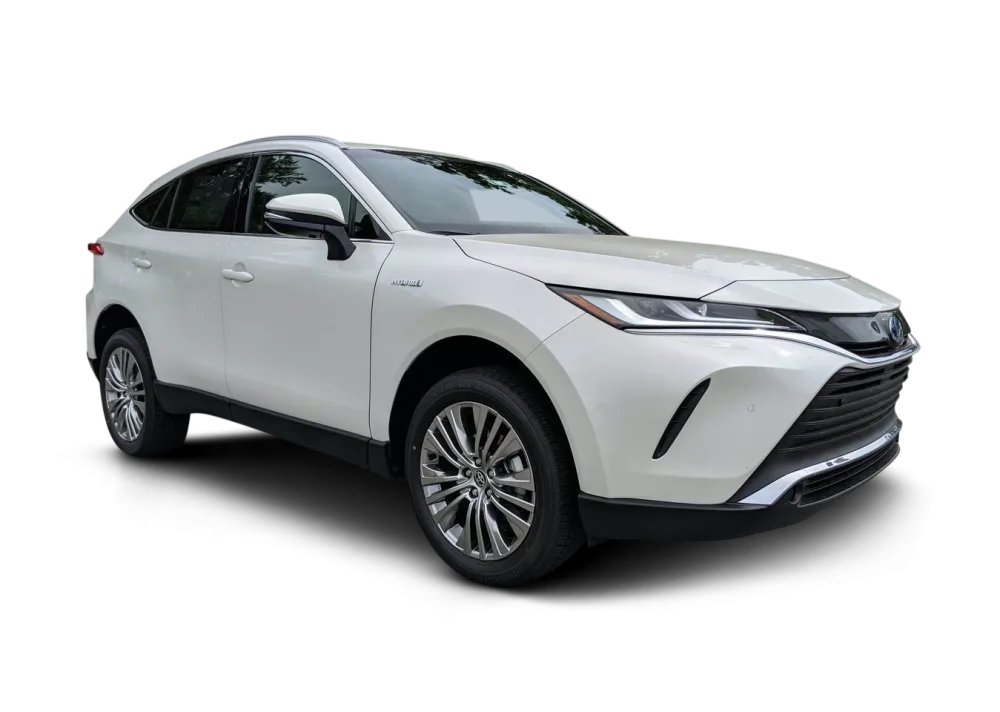
In a still gallery, one inconsistent background among forty frames is a blemish. In a video, where frames play in sequence, it is a strobe. If the hero sits in a clean branded scene, the side view shows the raw lot, and the rear view shows a different corner of the same lot in different light, the viewer feels the cuts as carelessness even though each photo was acceptable alone. This is why dealers who take social seriously usually take the car background replacement decision for the whole set, not per photo: one scene family, one light direction, one ground treatment, so the walk-around feels like it happens in one place — because visually, it does.
The end card and offer frame benefit from the same treatment. A car reflection shadow under the car on the closing frame gives the video the glossy showroom finish that makes a stills-based production look deliberately produced rather than assembled. It is a small thing, and it is the frame the viewer is looking at when they decide whether to tap through to the listing, so it earns its $0.39.
One warning belongs here. Background consistency in video is about place and light, not about disguising the car. The scene can be your standard studio look applied to every frame. It cannot become a beach the car never visited in one frame and a city street in the next just because the templates were pretty. Buyers who arrive from social and find a plainer truth on the VDP do not blame the template. They blame the dealer.
Music and rights, without the headache
Music is where dealer accounts most often create problems for themselves, and the rules are simpler than the folklore suggests. Business and brand accounts on TikTok are generally limited to the platform's Commercial Music Library for anything promotional, and a track that is available on a personal account may not be licensed for a dealership's use. Instagram applies its own restrictions to business accounts, and YouTube Shorts draws from its audio library with terms that differ again. The safe working rule for all three: choose tracks only from the commercial or business library inside the app you are posting to, keep a note of which track each video used, and never lift audio from a chart release, a film, or another creator's video on the assumption that credit makes it legal. It does not.
In practice, most dealer content does not need music to carry it. A quiet trending instrumental from the commercial library, set low under captions that already tell the story in silence, does the job, and voiceover recorded on a phone in a quiet office is both safe and more distinctive than any track — it is your salesperson's actual voice, which no competitor can download. Treat music as seasoning, check the library it came from, and move on to the parts of the system that actually sell cars.
One clean scene for every beat: hover or drag to compare
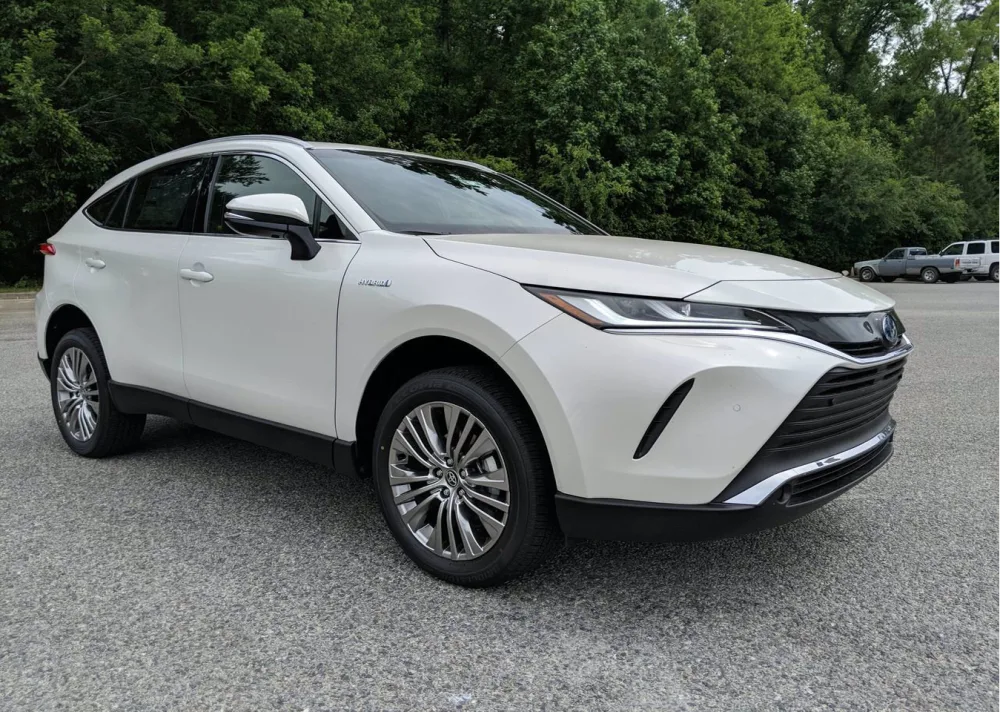 BEFORE
AFTER
Drag the slider or move your mouse over the image to compare.
A posting rhythm tied to stock, not trends
Dealership TikTok marketing becomes sustainable when the calendar is the stock list. New arrivals get the full treatment on the day they are photographed: the listing, the VDP, and the vertical cut go out together, so the social audience sees the car at the same moment the marketplaces do. Price reductions get the offer-frame variant. Reserved and sold cars get a closing post only when the dealer genuinely runs them — a feed full of sold banners and no available cars trains followers to stop enquiring. A weekly rhythm of arrivals, one or two features, and one price story outperforms a daily scramble after whatever audio is trending, because every post is anchored to a car a follower can actually buy.
Production rhythm matters as much as posting rhythm. The workable pattern is a batch: photograph the week's arrivals to the standard set, send the whole batch for editing at once, and receive back a set that includes the vertical crops and the offer frames alongside the gallery. This is the point at which many dealers decide to outsource car photo editing entirely rather than add video duties to the person who already shoots the cars: the bottleneck was never ideas, it was finished files arriving on time. Volume handling is built for exactly this pattern — bulk car photo editing at standard rates, with 5 percent off at 100 images and 10 percent at 500, means the social channel adds no new per-car cost beyond the resizing and banner work the listing already needed.
Measure saves, shares and enquiries, not applause
Views are the number every platform puts in front of you, and for a dealership they are close to meaningless. A video can be watched by a hundred thousand people in the wrong country, at the wrong age, with no license and no budget, and sell nothing. The numbers that predict revenue are one layer down. Saves mean a viewer is keeping your car or your dealership for later, which is shortlist behavior. Shares mean the car was worth sending to a specific person, which is how family purchase decisions actually move. Profile taps followed by website visits mean the feed is feeding the VDP. And enquiries — calls, messages, and form submissions you can attribute to a post or a posting week — are the only number the sales manager will ask about twice.
Judge the rhythm, not the individual post. Compare a month of stock-led posting against your own previous month on saves, shares, VDP visits and enquiries, and expect the effect to show first in saves and shares, exactly as it does when listing photography improves. A single post that underperforms is weather. A feed whose saves are climbing while its views are flat is a channel quietly working. Kill formats that earn views and nothing else, however proud of them the person who made them is.
The consistency rule: the video car is the VDP car
Everything in this guide is subordinate to one rule, and it is worth ending the practical sections on it. The car in the video must look exactly like the car on the VDP, which must look exactly like the car on the forecourt. Same color, because the color correction is the same file. Same background family, because the scene decision was made once for the set. Same banner template, because the offer frame is part of the pipeline. A buyer who meets the car three times — in the feed, on the marketplace, on your site — should feel they are looking at one car presented by one business, and the moment any version looks warmer, glossier, or cleaner than the others, all three become suspect.
This is the real reason the editing has to be a system rather than a series of favors. A standard car dealer photo editing workflow — fixed shot order, fixed scene, fixed color targets, fixed templates, checked by a person against the original before delivery — is what makes three channels agree with each other. Improvised per-post editing cannot do it, however talented the improviser.
How Cars Photo Editor fits in
We are a hand-editing service: no AI tool edits your photos here, and that includes the frames destined for social. An editor cuts the car out, builds its shadow, matches color across the whole set so stills sequence cleanly, prepares the vertical crops with the car placed inside the safe area rather than auto-cropped, and produces the offer frames on your banner template. We have worked this way since 2016 for dealers and automotive photographers across the USA, the UK, and Europe. Dealer editing is $0.59 per image, background replacement $0.69, reflection shadow $0.39, resizing $0.19, with banner and branding work quoted as a custom package, and standard turnaround is within 24 hours for typical batches — the 24 hour car photo editing rhythm a stock-led posting calendar actually needs.
Test it the way you would test any supplier to the feed: send us the photos from one real arrival, the difficult one, through the free trial car photo editing — 5 to 10 images, edited and returned for your approval before you pay anything. Build the video from our frames, build the listing from the same frames, and compare the two side by side. That comparison is the whole argument of this guide, and it takes one car to settle.
Listing photos ready for TikTok too, free
Send us 5 to 10 of your own listing photos (files or a Drive or Dropbox link) and we will edit them free, by hand, so you can judge the quality on your own inventory before you spend anything.
Start Your Free TrialListing photos as short video: common questions
Can I make TikTok and Reels videos from my listing photos, or do I have to film?
You can build strong Shorts and Reels entirely from a well-shot listing set: hero, walk-around angles, interior and detail frames, sequenced with slow push-ins and finished with banner frames. Filming adds motion, but a disciplined stills set that matches your VDP usually serves a dealer better than improvised video shot on a busy lot.
What size and crop do car photos need for TikTok, Shorts and Reels?
Work at 1080 by 1920 pixels (9:16), and keep the car and all text inside the central safe area, clear of the top band and the bottom quarter where platform captions and buttons sit. Shoot hero frames slightly wide to give the vertical crop material, and never stretch a horizontal photo or fill the sides with a blurred blow-up.
Can my dealership use popular chart music in its videos?
Generally no, not safely. Business accounts are usually limited to each platform's commercial music library, and a track available to personal accounts may not be licensed for a dealership. Choose audio from the commercial library inside the app you are posting to, or use a phone-recorded voiceover, which carries no licensing risk at all.
How do I choose a car photo editing company that can supply listings and social together?
Ask for the whole pipeline in one trial: gallery ratios, VDP set, vertical crops with safe areas respected, and offer frames on your banner template, all from one shoot and all matching. A car photo editing company that treats the set as one product will pass that test easily; one that edits photo by photo will show you three slightly different cars.