
Car Shadows and Reflections: The Finish That Makes a Listing Look Real
November 12, 2026 · Background & Shadow Tips
A car without a shadow floats. A car with the wrong shadow looks pasted in. This guide covers the two finishes that make an edited listing photo look real — a natural car shadow and a soft reflection — and what they cost.
Key takeaways
- A shadow is what grounds a car: without one, even a perfectly cut-out car looks like it is floating above the background.
- A natural car shadow follows the light in the scene — soft, in the right direction, and darker where the car meets the ground; a reflection shadow suits glossy showroom floors instead.
- All editing at Cars Photo Editor is done by hand, with no AI tools — shadows and reflections are drawn by an editor, never stamped on by a filter.
- Car shadow from $0.39/image and reflection shadow from $0.49/image, with 10% off orders of 100+ images and 15% off 500+, and a free trial of 5-10 images with no card needed to start.
Why a shadow is the difference between edited and real
A car shadow service does one small job, and a listing photo without it gives the job away at a glance. Take a car photographed on a busy lot, cut it out cleanly, and place it on a plain studio background. The edges can be perfect, the colour can be true, and the photo will still look wrong. The car floats. There is nothing holding it to the ground, and a buyer's eye notices that before it notices anything else about the car.
The shadow is what holds it down. A soft, natural shadow under the car tells the viewer where the ground is, which way the light is coming from, and that the car has weight. It is the same cue we use in real life without thinking: we judge how far away things are, and whether they belong in a scene, largely by the shadows they throw. Remove the shadow and the brain flags the picture as a picture. Put a believable one back and the same car reads as a photograph of a real car in a real place.
This guide covers the two finishes that do that work: a natural car shadow, which grounds the car on the surface it stands on, and a reflection shadow, which adds the soft mirror image a glossy floor gives back. Both are easy to get wrong — a shadow that is too dark, too sharp, or pointing the wrong way is worse than no shadow at all. The examples below show the difference.
What a natural car shadow actually does
A natural car shadow is not a black shape pasted under a car. It is a soft, uneven patch of darker ground that follows the car's outline, darkest where the tyres meet the surface and fading as it spreads away from the car. It follows the direction of the light in the rest of the photo, so a shadow falling to the left on a studio background would look wrong on a scene lit from the left. And it respects the car itself: the shadow is deeper under the body, lighter under the overhangs, and it never crosses a wheel or a bumper in a way the real light would not allow.
That is why it has to be drawn by hand. An editor looks at the car, the background and the light, and builds the shadow to fit that one photo. A filter that stamps the same shadow under every car cannot do this, because every car sits differently: a tall SUV throws a different shadow from a low sports car, a car photographed from a high angle shows more ground shadow than one shot at bumper height, and a bright studio scene needs a lighter shadow than a moody outdoor one. The hand edit is the whole point — the shadow is shaped for the car in front of it, not copied from a template.
The practical test is simple. Look at the finished photo and ask whether the car looks parked. If the answer is yes, the shadow has done its job and disappeared into the picture, which is exactly where it belongs. If the car looks like a sticker on a backdrop, the shadow is missing, too hard, or pointing the wrong way. Dealers who check their listings this way catch the problem in seconds, and it is the cheapest quality check in the whole editing process: the shadow either grounds the car or it does not, and there is no middle ground worth accepting.
The same car, grounded by a natural shadow
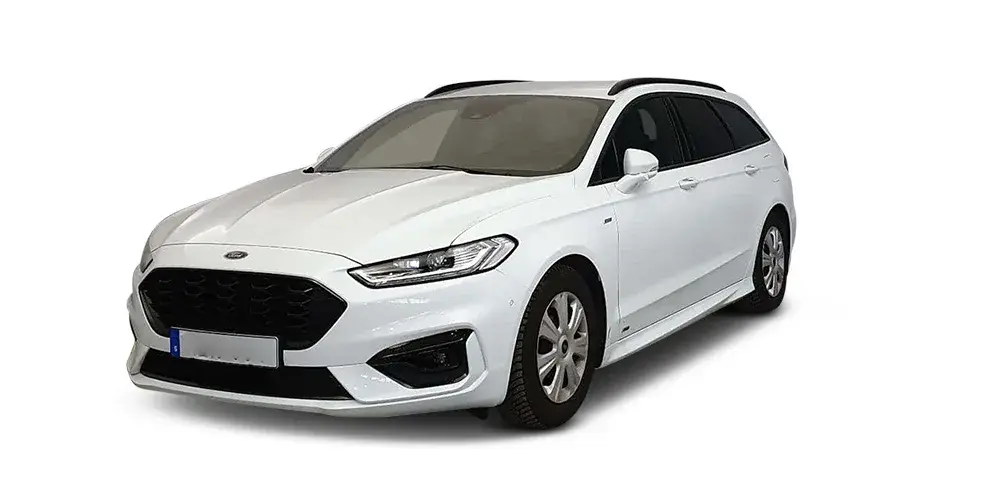
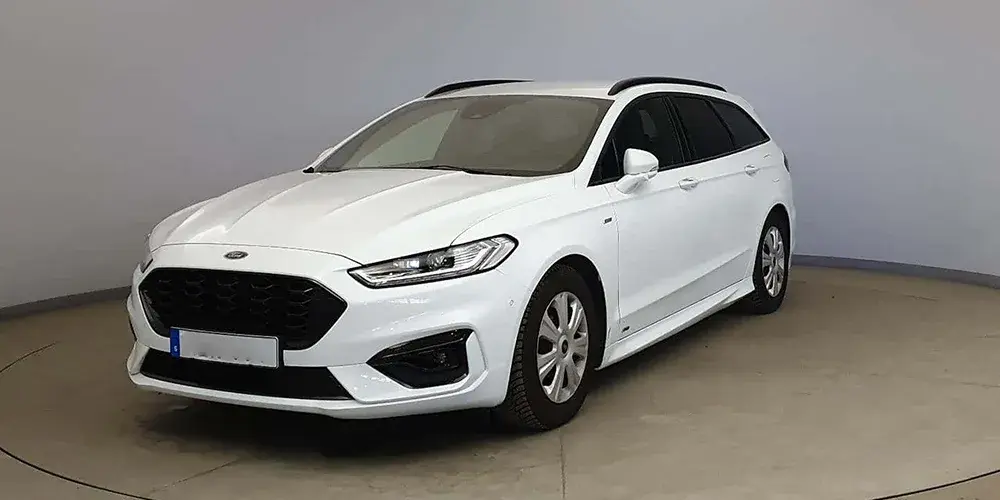 BEFOREAFTER
Drag the slider or move your mouse over the image to compare.
Reflection shadows: when a floor should shine back
A reflection shadow is the other finish, and it suits a different kind of scene. Where a natural shadow grounds a car on a plain surface, a reflection shadow gives the car a soft mirror image below it, as if it were standing on a polished showroom floor or a wet studio surface. The reflection is never a sharp copy of the car: it is faded, slightly blurred, and strongest just under the tyres, dissolving as it falls away. Done well, it makes a listing feel premium, like a car photographed in a showroom rather than on a lot.
The mistake is to use it everywhere. A reflection belongs on a glossy floor, and it looks wrong on a plain studio gradient, a gravel yard, or an outdoor scene, where no real floor would ever reflect. A dealer who puts a reflection under every car ends up with listings that look like a catalogue of showrooms, even for cars photographed on a forecourt. The rule is to match the finish to the background: glossy floor, reflection; clean studio or outdoor background, natural ground shadow. When the two are mixed up, the buyer may not be able to say what is wrong, but the photo will feel staged rather than real.
A good editor keeps the reflection quiet, and keeps the contact shadow where the tyres meet the floor dark and sharp while the reflection fades beneath it.
The same car, finished with a soft reflection shadow
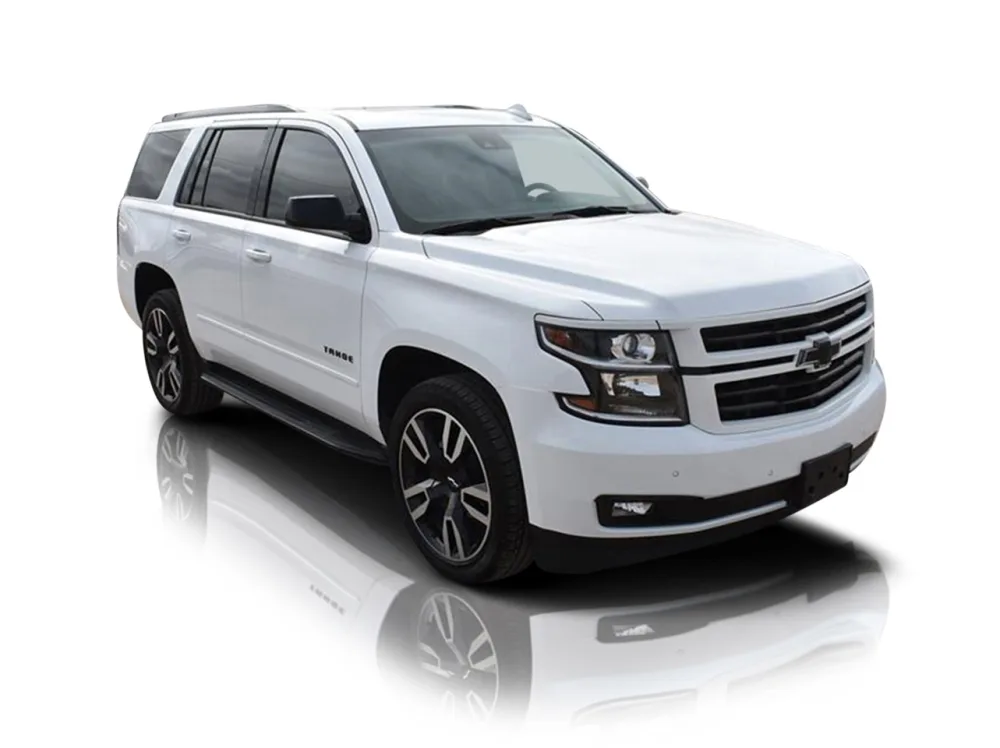
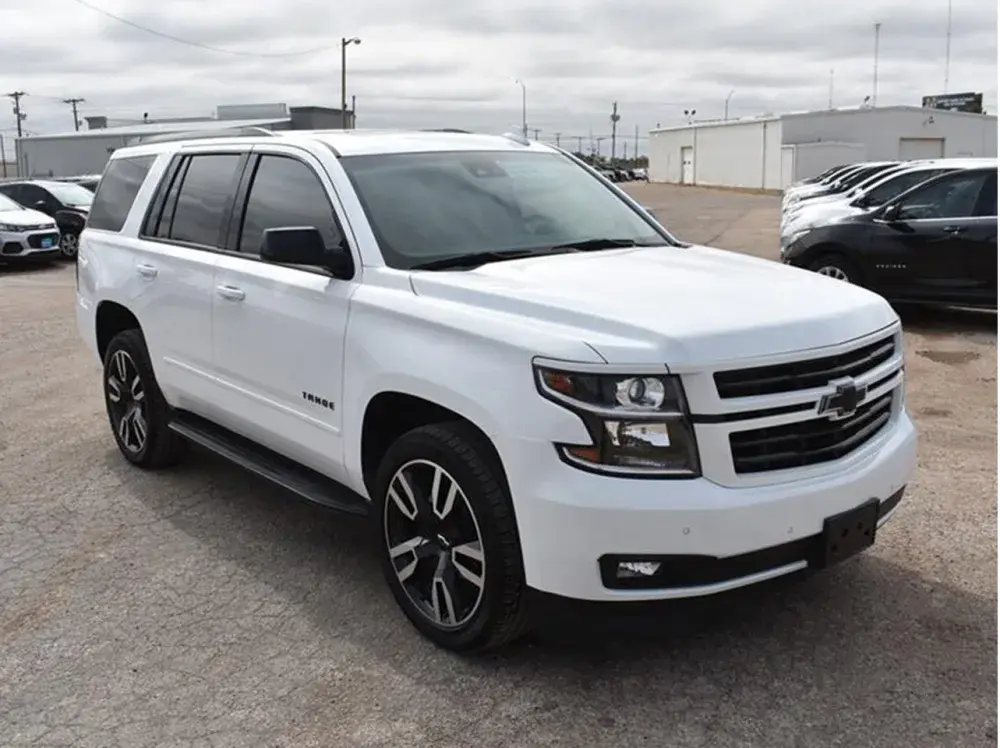 BEFOREAFTER
Drag the slider or move your mouse over the image to compare.
Choosing between them, and keeping a whole stock consistent
For most dealers the choice is straightforward, and it is worth settling once rather than deciding car by car. If your listings use one clean studio background across the whole stock, a natural ground shadow is the right finish for every car: it is consistent, it never distracts, and it works for every body shape, from a hatchback to a van. If you use a showroom floor background for your premium stock, a reflection shadow fits that background and gives those listings a different, deliberately glossier feel. What matters is not which finish you pick, but that the same finish is used the same way across the set.
Consistency is where groups and larger dealers gain the most. A buyer scrolling twenty cars should see one standard: the same background, the same light, and the same shadow treatment, so the stock reads as one dealership rather than twenty separate photographs. That is a decision to make once, write down, and hand to the editor with every batch: this background, this shadow, this reflection or none. The editor then applies it car by car, adjusting each shadow to the car and the angle, while keeping the treatment identical. A shadow that changes from car to car breaks the rhythm of a stock list just as surely as a background that changes.
It also helps to photograph with the finish in mind. A car shot straight on, at a consistent height, with the whole car in frame and space around it, gives the editor room to build a shadow that fits.
What it costs, and how to try it on your own cars
Shadows and reflections are priced per image, like the rest of the editing, and they are usually added to a car that has already had its background replaced or its background removed. A car shadow is $0.39 an image, and a reflection shadow is $0.49 an image. Volume discounts apply automatically: 10% off orders of 100+ images and 15% off 500+, so a dealer finishing a whole stock list pays less per car than a dealer finishing one. The standard turnaround is 24 hours for typical batches, and you pay only after delivery, from the invoice in your account.
The sensible way to judge either finish is on your own cars. Send 5 to 10 photos of one vehicle through the free trial — no card needed — and ask for the shadow finish you would use across your stock. Put the finished set next to the originals and check the one question that matters: does the car look parked? If it does, the finish is doing its job. If you run two finishes, one car with a natural shadow and one with a reflection, the comparison will also settle which background suits your listings, and that decision then holds for every car after it.
As with all the editing here, the work is done by hand, with no AI tools. A shadow drawn by an editor follows the light in your photo; a shadow stamped on by software follows a template. The difference is small in any one photo and large across a whole stock list, because buyers do not judge one listing in isolation — they scroll, and the standard they see is the standard they trust.
Try the finish on your own cars — free
Send 5-10 photos of one car through the free trial and see the shadow finish on your own stock before you spend anything. No card needed, finished within 24 hours.
Start free trial